Are you looking for a basketball court builder in Queenstown, MD?
At Back Creek Builders LLC, we invite Queenstown homeowners and businesses to schedule a free estimate with a local basketball court builder.
Basketball Court Builder Queenstown, MD
If you want a place to shoot, run drills, or host weekend games at your Queenstown home, a well-built basketball court can turn your unused yard into one of the most vibrant spots on your property. Back Creek Builders LLC designs and builds custom basketball courts for homes, communities, and facilities across Maryland, and our partners run each project from the ground up.
We have spent more than ten years in Maryland construction and game court work. Co-founders Eric Young and Jason Gelblum grew the company alongside custom home building, which means we treat a court as the structure it is, not just a painted surface. As a Queenstown, MD basketball court builder, we handle the grading, base, slab, surfacing, and hoops as one coordinated build. Reach out for a free estimate and we will walk your site with you.
Basketball Court Builder Contractors in Queenstown
Building a basketball court means preparing the ground, laying a stable base and slab, applying an acrylic sport surface, and mounting the hoops, then adding lines, lighting, or fencing as the space calls for. Each step depends on the one before it, which is why a single builder handling the whole job produces a better court than a patchwork of separate subcontractors.
Demand here runs deep. About 20.6% of Queen Anne’s County residents are under 18 according to Census QuickFacts data, and households with kids and teens are the ones that turn a backyard into a court. Community associations and schools add to that, wanting durable surfaces that hold up to steady play.
Types of Basketball Court Projects We Handle in Queenstown
No two basketball courts start from the same place. Some clients want a full regulation build, while others need a compact home court shaped to fit a specific yard.
- Full-size basketball courts. For serious players and communities, we build regulation and near-regulation courts with a proper base, durable surfacing, and adjustable hoops. These take the most space and the most planning.
- Half-court builds. A half-court delivers most of the game in a fraction of the footprint. It suits smaller yards and is the most common residential backyard basketball court we build.
- Backyard and residential courts. We size and place courts to work with the rest of the yard, so you keep room for grass, patio, or play space. The right footprint often starts with how much room the site can spare.
- Multi-sport courts. Adding pickleball or tennis lines turns one slab into several games. We have built courts with basketball lines alongside other sports, striping each layout so the markings stay readable.
- Court lighting and fencing. Lights extend play into the evening, and fencing keeps balls in bounds. We build both in during construction or add them to a court later.
- Custom features. Logos, colored keys, adjustable rims, and rebound walls make a court yours. We handle the details that turn a plain slab into a signature space.
- Sport court resurfacing. An older court often needs restoring rather than replacing. We repair cracks and recoat worn surfaces to bring a tired court back to safe, sharp condition.
Why Choose Back Creek Builders LLC for Basketball Court Building in Queenstown, MD?
We Build the Whole Court, Not Just the Surface
A basketball court is a construction project before it is a playing surface. It starts with grading and drainage, moves through a properly built base and slab, and only then reaches the color coat, lines, and hoops. Companies that only lay coatings cannot handle the parts that decide whether a court lasts. We build all of it, because Back Creek Builders LLC works in home construction as much as game courts, and that construction depth shows up in the ground beneath your court. Eric Young shapes the design and quality standards on every build, while Jason Gelblum keeps the schedule and communication tight from the first drawing to the first game.
Ownership That Stays on the Job
Dave Stockum rounds out the ownership with a background in complex, high-end construction, including projects north of three million dollars in value. That range helps a great deal when constructing a court, where site conditions and finish details separate a good build from a great one. Our custom court builds reflect that same standard on a smaller footprint, and our broader completed projects span homes and courts across the region. Back Creek Builders LLC has been featured in Baltimore Magazine for its residential and sport court work. You are not handed off to a crew that never met you. The people who own the company are the people accountable for your court, and free estimates come standard.
Understanding Basketball Court Construction
What Materials, Methods, and Costs Are Used for Basketball Court Construction?
A basketball court is built in layers, and each one affects how the finished court plays and how long it lasts.
- Base and sub-base. Most courts start with a compacted stone base that provides drainage and support. Get this wrong and the surface cracks no matter what goes on top.
- Concrete or asphalt slab. The playing slab is poured concrete or laid asphalt, chosen for the site, budget, and surface. Concrete resists cracking better, while asphalt costs less and cures faster.
- Acrylic sport surface. Several coats of cushioned or hard acrylic give the court color, grip, and a consistent bounce. This is the layer players actually feel.
- Hoops and hardware. Anchored or adjustable systems are set to regulation heights, with backboards and rims rated for real play.
- Fencing and lighting. Perimeter fencing keeps balls in play, and court lighting extends the day. Both are planned into the layout when included.
- Lines and finishing. Keys, three-point arcs, and any secondary sport lines are measured and painted to specification.
Cost depends on court size, slab material, surface type, and add-ons. We price each build after seeing the site.
What Are Important Aspects of Your Basketball Court Project?
A few decisions shape a court more than the rest, and they are easier to get right early.
- Site and grade. Slope, soil, and drainage decide how the base is built. We evaluate the yard before the design is set.
- Size and use. A driveway hoop, a half-court, and a full court are different projects. We match the court to how it will actually be used.
- Surface choice. Cushioned acrylic is easier on joints, while standard acrylic costs less. The right pick depends on the players and the budget.
- Permits and setbacks. Court size, fencing, and lighting can trigger county review and setback rules. We handle that before we build.
Basketball Court Construction Timeline
Timelines shift with weather, permitting, and cure times, but most court builds move through the same stages.
- Consultation and estimate. We walk the site, talk through goals, and give you a clear scope and price.
- Design and permitting. We finalize dimensions and layout, then handle county applications and approvals.
- Site work and base. We grade the area, build and compact the base, and prepare for the slab.
- Slab and surfacing. The slab is poured or laid, cured, then coated with the acrylic surface.
- Hoops, lines, and walkthrough. Systems are set, lines are painted, and we review the finished court with you before the first game.
What Should You Have Ready for Your Estimate?
A little preparation makes the first visit more productive.
- The area of the yard you are considering for the court.
- Whether you want a full court, a half court, or a multi-sport layout.
- Any features you have in mind, like lighting, fencing, or logos.
- Any HOA or community rules that apply to the property.
During the visit, we look at the site, discuss dimensions and options, and explain how a build like yours would proceed. The estimate is free, with no obligation.
What Are Some Important Maryland Basketball Court Regulations and Resources?
Building a basketball court in Maryland can involve permits, construction standards, and county rules, depending on the size and the features. We manage this for our clients, and these resources help you understand the framework.
- Court construction standards. The American Sports Builders Association publishes court construction standards for basketball and other sport courts.
- Contractor licensing. Maryland regulates residential contractors through the Maryland Home Improvement Commission, which licenses the work and lets homeowners verify a license.
- Local permitting. Court projects may require county review. Queen Anne’s County provides applications and building guidance through its county permit forms page.
- Community covenants. Many Queenstown neighborhoods carry private rules on outdoor structures and lighting. Your homeowners association can confirm what is allowed.
Reach Out to Back Creek Builders LLC for a Free Estimate
The right court starts with the right builder. Back Creek Builders LLC brings more than a decade of construction and game court work to every basketball court we build in Queenstown, MD, from the base up. Get in touch to schedule your free estimate, and we will help you plan a court your family will use for years.
Meet Our Team
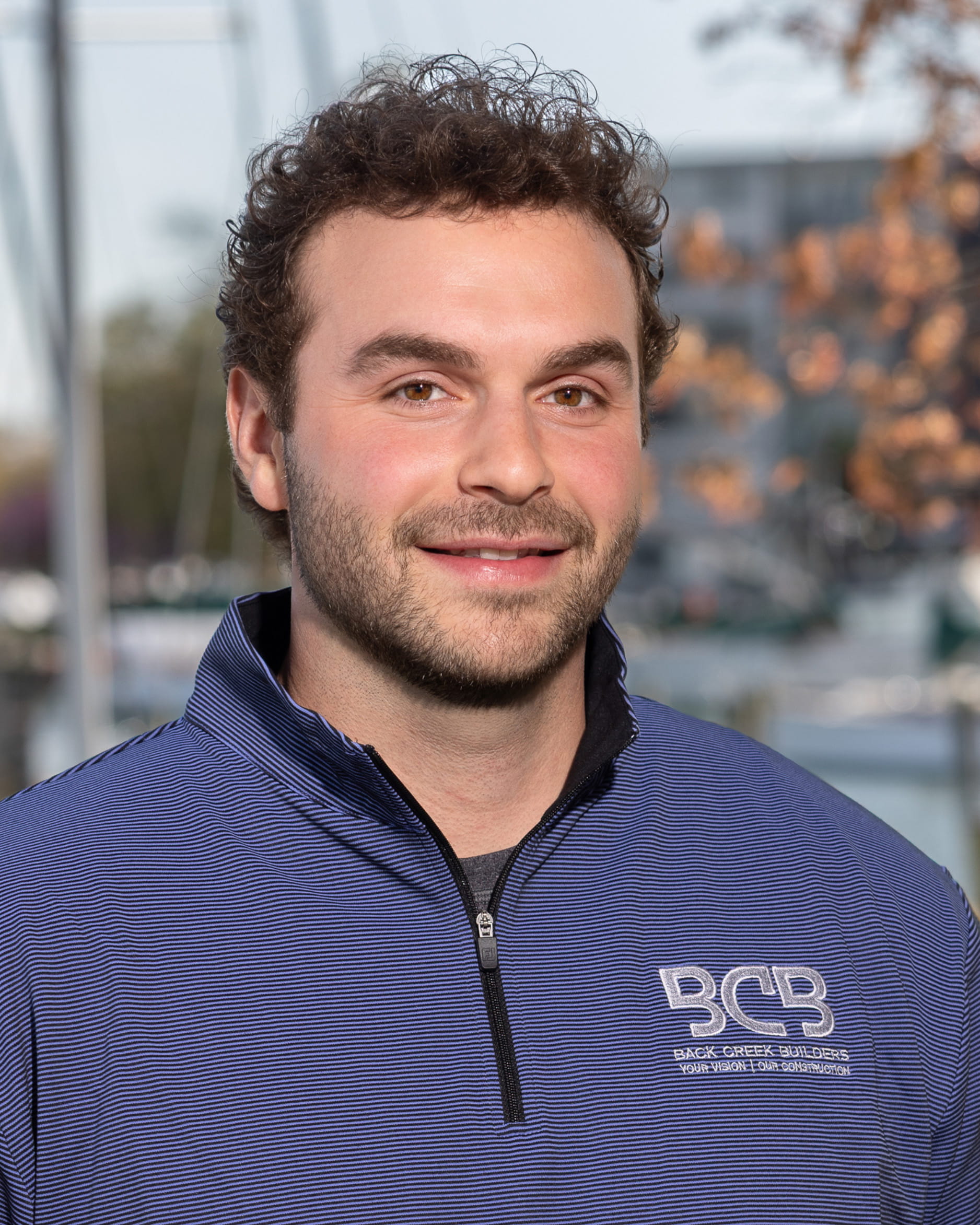
Jason Gelblum
Jason Gelblum co-founded Back Creek Builders and serves as Chief Operating Officer, managing operations, client relationships, and project coordination across the company's portfolio. He brings roughly nine years of professional experience spanning leadership roles, real estate, operations, and construction management.

Eric Young
Eric Young co-founded Back Creek Builders and serves as President, overseeing construction planning and project execution across the company's residential and sport court work. His background spans real estate development and hands-on construction management, giving him a perspective on projects from initial land evaluation through final walkthrough.
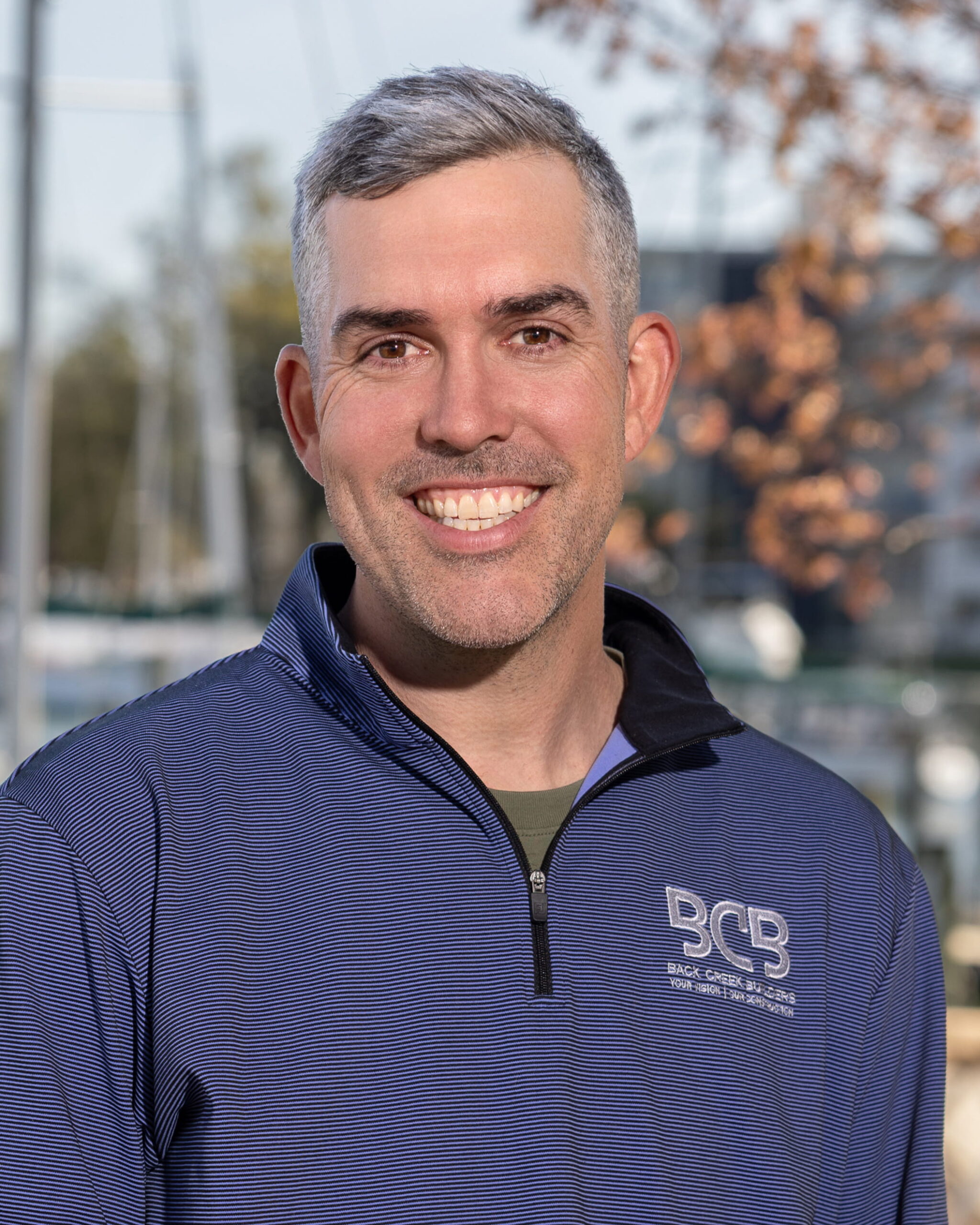
David Stockum
David Stockum is a partner at Back Creek Builders who brings deep experience in residential and commercial restoration, operations, and construction management. He’s known for turning complex projects into well-coordinated builds, standardizing processes, and keeping communication clear so work is delivered on time, on budget, and to a high standard.