-
We start with a conversation about what you’re trying to build. Site evaluation follows, whether that’s a lot you already own or one you’re considering. Design develops collaboratively with architects, evolving through iterations until it satisfies both vision and budget. Detailed specifications document exactly what gets built before construction begins. We handle Anne Arundel County permitting and any additional reviews required for waterfront or historic-adjacent properties. Construction proceeds through foundation, framing, mechanicals, and finishing phases. Eric and Jason stay involved throughout rather than handing projects off to rotating staff.
-
We look before we propose. That means measuring carefully, documenting where plumbing and electrical actually run, noting structural elements, and looking for problems hiding behind finishes. Older homes get extra scrutiny for soft flooring near fixtures, staining suggesting past leaks, and ventilation that doesn’t actually ventilate. What we find shapes what we recommend. Sometimes conditions are better than expected, and sometimes they’re worse. Either way, honest assessment upfront prevents budget surprises mid-project. We’d rather have a difficult conversation before demolition than discover problems afterward when options narrow and costs climb.
-
Integration starts with studying what exists. Rooflines need to match in slope, overhang, and fascia details. Exterior materials must align precisely, whether that involves siding profiles, brick coursing, or trim dimensions. Windows should complement the originals in style and proportion, and floor levels need to transition without awkward steps. We identify the architectural details defining your home’s character before drawing anything new. The goal is an addition that looks intentional, as though the original builder planned for it. Achieving this requires design decisions made early rather than cosmetic fixes attempted later.
-
That depends on available space and your priorities. Pickleball fits smaller properties since the court dimensions work for many residential lots. Tennis needs more room, roughly 60 by 120 feet with proper surrounds. Basketball half-courts suit moderate acreage, while full courts demand substantial property. Multi-sport configurations let one surface serve several activities, with pickleball and tennis sharing space through differentiated striping or basketball and pickleball combined on the same slab. We design line layouts that avoid visual confusion so players can follow the markings relevant to their game.
-
Several variables matter. Size and shape affect excavation scope and material quantities. Site conditions influence complexity considerably, including equipment access, soil composition, existing slope, and utility proximity. Permit timelines vary by jurisdiction, and waterfront properties sometimes require additional review layers. Elements surrounding the pool add up as well, from decking materials and fencing to landscaping and any outdoor living features integrated with the pool area. Equipment choices affect both upfront investment and monthly operating costs. We evaluate all of this during consultation and document findings clearly in proposals before any commitments.
-
The range is broad. Patios and decks provide the foundation for everything else. Outdoor kitchens move cooking and entertaining outside with grills, counters, sinks, refrigeration, and sometimes pizza ovens. Fire pits and fireplaces extend usability into cooler months. Pergolas and pavilions offer shade when summer heat becomes oppressive. Hardscapes and retaining walls handle grade changes while defining distinct zones within larger spaces. Most projects combine multiple elements, such as a patio anchoring an outdoor kitchen with a fire pit nearby and pergola overhead. We design these features so they relate to each other and function as a unified space.
-
Earlier involvement typically produces better outcomes. When we participate from the beginning, construction realities inform design decisions before plans get finalized. We can identify potential challenges, suggest alternatives that achieve the same goals more efficiently, and ensure specifications align with budget expectations. Engaging late limits options for addressing problems and sometimes requires costly revisions to completed drawings. We work effectively with architects at any stage, but early collaboration prevents the disconnect that sometimes develops between design intent and construction feasibility. Planning problems tend to become construction problems.
-
Moving sinks, dishwashers, or adding prep sinks involves plumbing work that varies based on distance and existing conditions. Drain lines require proper slope to function correctly. Vent connections must follow code requirements. Supply lines need adequate pressure at new locations. Homes with slab foundations present particular challenges since work involves cutting concrete and routing new lines beneath the floor. We evaluate plumbing implications during design so you understand what’s involved before committing to specific layouts. Some reconfigurations are straightforward while others substantially affect project scope, and knowing the difference early prevents surprises later.
-
Water finds every weakness. A single failure allows moisture into wall cavities where mold develops invisibly, and it reaches subfloors that rot slowly beneath tile. By the time damage becomes visible, repair costs have multiplied significantly. We use proven systems like Schluter-KERDI and Laticrete Hydro Ban, applied according to manufacturer specifications with careful attention to corners, niches, curbs, and penetrations. These details determine whether a bathroom performs for decades or develops problems within years. Proper waterproofing is invisible in the finished space, but it represents some of the most critical work in the entire project.
-
Requirements vary significantly across Maryland jurisdictions and even between neighborhoods in the same county. Some areas permit accessory dwelling units by right, while others require special exceptions or conditional use approval. Regulations may restrict unit size, require owner occupancy of the primary residence, mandate additional parking, or limit rental use. Setback requirements affect where structures can sit on the lot. We evaluate zoning implications during initial consultation, identifying what’s permissible on your specific property before any design investment begins. Understanding these constraints early prevents effort spent on plans that won’t receive approval.
Meet Our Team

Jason Gelblum
Jason Gelblum co-founded Back Creek Builders and serves as Chief Operating Officer, managing operations, client relationships, and project coordination across the company's portfolio. He brings roughly nine years of professional experience spanning leadership roles, real estate, operations, and construction management.

Eric Young
Eric Young co-founded Back Creek Builders and serves as President, overseeing construction planning and project execution across the company's residential and sport court work. His background spans real estate development and hands-on construction management, giving him a perspective on projects from initial land evaluation through final walkthrough.
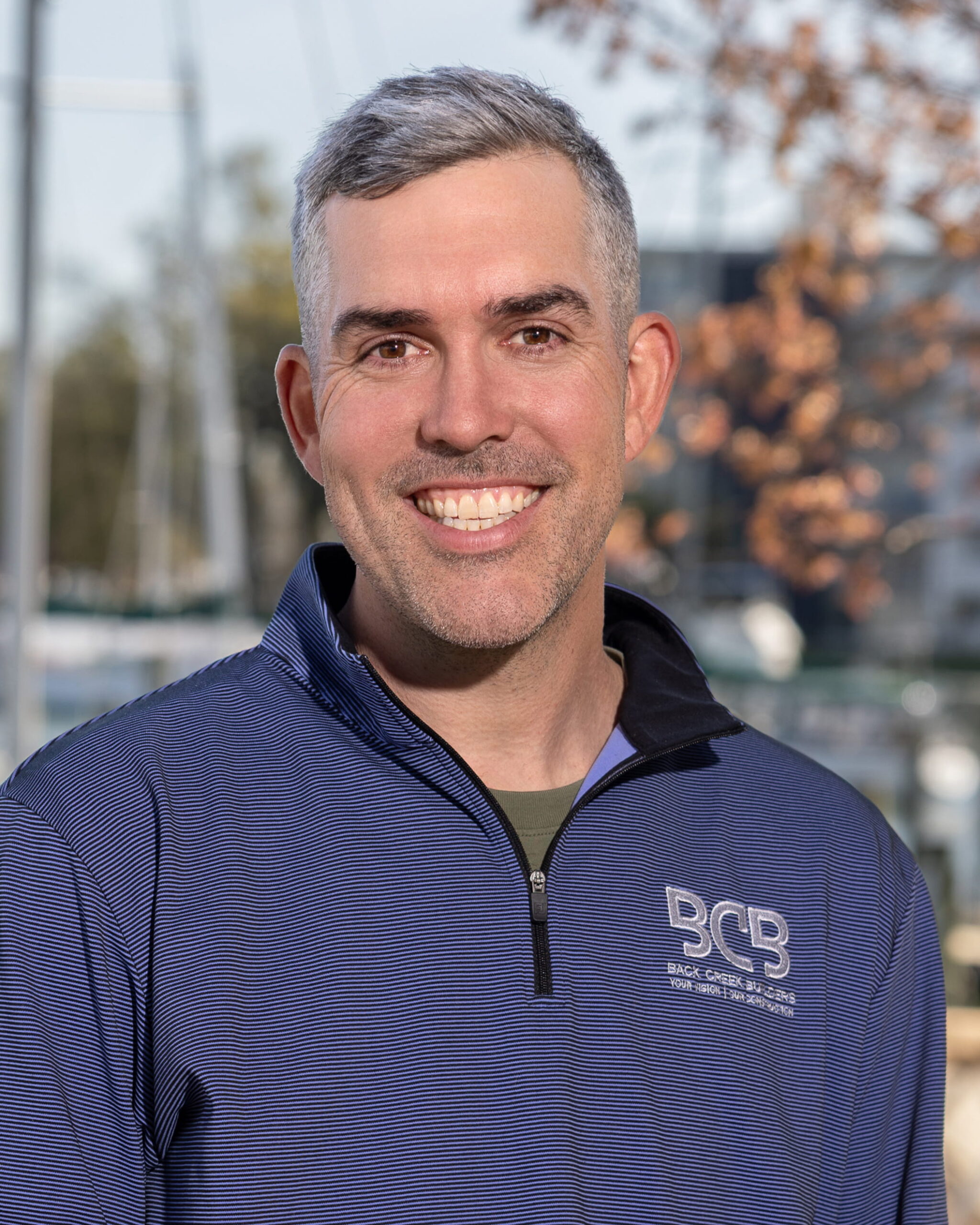
David Stockum
David Stockum is a partner at Back Creek Builders who brings deep experience in residential and commercial restoration, operations, and construction management. He’s known for turning complex projects into well-coordinated builds, standardizing processes, and keeping communication clear so work is delivered on time, on budget, and to a high standard.