A well-built court brings people together. Families playing basketball in the backyard. Residents gathering at an apartment complex pickleball facility. Students practicing tennis at a school. Members enjoying a country club’s new multi-sport surface. Whether the setting is residential or commercial, the construction fundamentals remain the same—and getting them right determines whether a court performs well for years or becomes a maintenance headache.
At Back Creek Builders, game court construction is personal to us. Our co-founders Eric Young and Jason Gelblum met on a pickleball court, and that shared passion for sports led directly to launching this company. We understand what makes a court play well because we’re players ourselves. Game court construction from our team combines that firsthand knowledge with professional-grade materials and construction methods. Reach out to start planning your project.
Why Choose Back Creek Builders for Game Court Construction?
Builders Who Actually Play
This isn’t just a service line for us. Eric and Jason are both pickleball players who spend time on courts regularly. That perspective shapes how we approach every project, from surface selection to net post placement to lighting angles. We build courts we’d want to play on ourselves.
Beyond personal experience, we’ve constructed courts for residential properties, municipal parks, private clubs, and commercial athletic facilities. Baltimore Magazine has featured our work, and we bring the same quality standards to all of our projects. You can see examples of completed court projects in our portfolio.
Experience Across Project Types
Residential courts and commercial facilities have different requirements. A backyard pickleball court for a family involves different considerations than an eight-court complex for a community recreation center. School athletic facilities need to meet specific standards. Country clubs expect a certain aesthetic. Apartment complexes require durability to handle heavy use from multiple residents.
We’ve worked across all of these settings. That range of experience means we understand how to approach each project type, what questions to ask, what challenges typically arise, and what solutions work best for different clients and contexts.
Custom Design for Every Site
No two properties are identical. Lot dimensions, grading, drainage patterns, existing infrastructure, proximity to neighbors or buildings—all of these factors influence design decisions. A municipality converting unused park land has different constraints than a homeowner working with a compact backyard.
We handle projects from initial site evaluation and design through final striping. Some clients want dedicated single-sport courts. Others prefer multi-sport surfaces that accommodate pickleball, basketball, and tennis on the same pad. We design around how the facility will actually be used, not a one-size-fits-all template.
Full-Service Court Construction
Some contractors handle only the playing surface and leave you to coordinate fencing, lighting, and accessories separately. We take a different approach. From excavation through final accessories—fencing, nets, lighting systems, ball containment, storage solutions, spectator seating—we manage the complete project. One point of contact. One company responsible for the finished result.
What Our Clients Say
⭐⭐⭐⭐⭐
“Back Creek was great to work with. We used them for court repair work on existing tennis courts and construction support for a new basketball area. Very responsible and good quality work. Would highly recommend!” — Paul Lurie
Read more reviews on our Google Business Profile.
Types of Game Court Construction Projects We Handle
We build courts for a range of sports, settings, and client types. Residential properties, public parks, schools, athletic clubs, apartment communities—each has distinct requirements, and we adapt accordingly.
Pickleball Courts. Pickleball’s rapid growth has created demand across every setting. Homeowners want backyard courts. Municipalities are adding facilities to public parks. Country clubs and athletic facilities are converting underused tennis courts or building dedicated pickleball complexes. A regulation court measures 20 by 44 feet, making it feasible for many properties. We build single courts, multi-court facilities, and indoor installations.
Basketball Courts. From residential half-courts to fully regulated facilities for schools and recreation centers, we construct basketball courts sized for the application. Court construction includes proper goal systems, surfacing rated for basketball play, and optional features like lighting for evening use. We work with families, schools, parks departments, and apartment complexes building practice or competition facilities.
Tennis Courts. Tennis courts require significant space—a full court with proper runback needs roughly 60 by 120 feet. We construct tennis facilities for private residences, country clubs, schools, and public parks. Post-tensioned concrete or asphalt bases, acrylic color coating systems, professional net posts, and proper fencing are standard elements. Multi-court facilities for clubs and schools often include lighting and spectator areas.
Multi-Sport Courts. Flexibility matters, especially for facilities serving diverse users. A single court surface can be lined for pickleball, tennis, and basketball, accommodating different activities depending on who’s playing. Multi-sport courts maximize investment value for homeowners, apartment communities, and recreation departments by supporting various games on one pad.
Commercial and Institutional Facilities. Parks departments, school districts, universities, country clubs, HOAs, apartment complexes, and corporate campuses all commission court facilities. These projects often involve multiple courts, enhanced lighting systems, spectator seating, equipment storage, and compliance with ADA accessibility standards. We scale our approach to match project scope and client requirements.
Bocce and Shuffleboard Courts. Not every game court involves running. Bocce courts and shuffleboard lanes provide relaxed outdoor entertainment for residential properties, senior communities, clubhouses, and hospitality venues. These courts have different construction requirements—crushed oyster shell or synthetic turf for bocce, smooth concrete for shuffleboard—and we build both.
Court Resurfacing and Renovation. Existing courts that have cracked, faded, or developed drainage problems can often be restored rather than replaced. We assess current conditions, repair structural issues, and apply new surfacing to bring older courts back to playable condition. This service applies to residential courts, municipal facilities, school courts, and private clubs.
Important Aspects of Game Court Construction
Building a quality court involves more than pouring concrete and painting lines. Several factors determine whether a facility will perform well and hold up over time.
Site Selection and Preparation. Court placement affects playability regardless of setting. Orientation matters—north-south alignment minimizes sun glare during morning and evening play. Drainage patterns must direct water away from the playing surface. For larger facilities, traffic flow and parking access factor into planning. We evaluate each site thoroughly before finalizing the court location.
Base Construction. The base beneath your playing surface is critical. Improper base preparation leads to cracking, settling, and drainage problems. Depending on soil conditions and court type, we use stone aggregate bases, asphalt, or post-tensioned concrete. High-traffic commercial facilities may require different specifications than residential installations. We match the construction method to site conditions and anticipated use.
Surface Selection. Acrylic sport surfaces are the standard for outdoor courts, but options vary in texture, cushioning, and durability. Faster surfaces suit competitive play; more cushioned surfaces reduce joint stress for recreational use and may be preferable for facilities serving older populations. Commercial facilities often prioritize durability for heavy use. We recommend surfacing based on how the court will function.
Drainage Systems. Water damages court surfaces and makes facilities unplayable. Proper slope—typically one percent grade—directs water off the playing area. In some cases, perimeter drains or subsurface drainage systems are necessary. Rainfall makes drainage planning essential for any court project.
Fencing and Containment. Most courts benefit from perimeter fencing to contain balls and define the playing area. Chain link is standard, though vinyl-coated options improve appearance for residential and club settings. Height depends on the sport—tennis requires taller fencing than pickleball. Windscreen fabric reduces wind interference and adds privacy. Commercial facilities may need additional security considerations.
Lighting Systems. Court lighting extends usable hours significantly—essential for facilities with evening programming or limited daylight availability. LED sport lighting offers better illumination, lower energy costs, and reduced light spillage compared to older systems. Proper design minimizes shadows and glare while respecting neighboring properties. Local lighting ordinances and dark sky regulations may affect specifications.
Permits and Regulations. Court construction typically requires permits. Setback requirements, impervious surface limits, and height restrictions for fencing and lighting all apply. Commercial projects may require additional reviews. HOA and institutional regulations often impose further constraints. We navigate the approval process and ensure projects meet all applicable requirements.
What Are the Steps of the Game Court Construction Process?
Court construction follows a defined sequence regardless of project scale. Here’s what to expect when you work with Back Creek Builders:
Step 1: Initial Consultation. We discuss what sports the facility will support, anticipated usage levels, and any site constraints you’re aware of. This conversation establishes project direction whether we’re building a single residential court or a multi-court commercial complex.
Step 2: Site Evaluation. We visit the property to assess available space, grade conditions, drainage patterns, access for equipment, and any obstacles. This evaluation determines what’s feasible and where courts should be positioned.
Step 3: Design and Proposal. Based on site conditions and your requirements, we develop a facility design including court dimensions, surface type, accessories, and optional features. A detailed proposal covers scope, materials, timeline, and cost.
Step 4: Permitting. We prepare and submit permit applications to the relevant jurisdiction, respond to reviewer questions, and obtain approvals before construction begins.
Step 5: Site Preparation. Clearing, grading, and excavation prepare the court area. This phase establishes proper slope for drainage and creates a stable foundation for base construction.
Step 6: Base Installation. Stone base, asphalt, or concrete is installed according to design specifications. This layer must cure properly before surfacing—rushing this step causes long-term problems.
Step 7: Surfacing. Acrylic sport coating is applied in multiple layers, building up the playing surface. Colors are applied, and the surface is allowed to cure.
Step 8: Line Striping. Court lines are measured precisely and painted according to official sport specifications. Multi-sport courts receive lines for each game in contrasting colors.
Step 9: Accessories and Finishing. Net posts, goals, fencing, lighting, spectator amenities, and other accessories are installed. Final grading around the court perimeter ensures proper drainage.
Step 10: Final Walkthrough. We review the completed facility with you, confirm everything meets expectations, and provide guidance on surface care and maintenance.
Contact Back Creek Builders
If you’re considering a court project, whether for a private residence, public park, school, apartment community, country club, or athletic facility, we’d welcome the opportunity to discuss it. We work with homeowners, municipalities, HOAs, developers, school districts, and private organizations throughout the state.
Contact us to schedule a consultation. Back Creek Builders brings the same craftsmanship to court construction that we bring to custom homes, and the personal passion of founders who love the game.
Game Court Construction Statistics
 Court sports have grown fast enough in recent years that demand for new construction now regularly outpaces available court space in many communities.
Pickleball drives most of that growth, but it isn’t the only court sport adding players. Tennis participation has climbed too, and the broader racquet sports category has posted gains across nearly every tracked activity, a trend that shows up locally as longer waitlists for open public court time.
- Pickleball participation reached 24.3 million players in 2025, up from 4.2 million in 2020, according to SFIA participation data.
- According to the same source, Tennis reached 27.3 million players in 2025, a 6.2 percent increase over the prior year.
- More than 18,000 verified court locations are tracked nationwide through USA Pickleball’s court finder, a number that has grown every year for the past five.
That growth curve matters most for anyone weighing whether to build now or wait. Court availability at public parks and clubs hasn’t kept pace with participation in many areas, which is part of why residential and community game court construction has picked up alongside the sport’s overall growth.
Key Documents You’ll Need for Your Game Court Construction Project
Game court construction projects move faster when the paperwork is ready before the first design conversation. Having these documents on hand at the start avoids delays once the schedule is set, and it’s usually easier to gather them before construction begins than to chase them down mid-project.
- A current property survey or plat. Court placement depends on accurate lot lines, setbacks, and easements, and a survey settles questions a rough measurement can’t. Without one, a design can read as feasible on paper and still run into a boundary problem once staked out.
- HOA or architectural review approval, if applicable. Many communities require separate sign-off for exterior structures before a county permit application can even be submitted, and starting that review early avoids it becoming the bottleneck on the whole project.
- Utility locate documentation. Marking underground lines before excavation isn’t optional, and having it requested early keeps the project on schedule rather than pausing mid-excavation.
- Any existing easement or right-of-way records. These affect where a court can legally sit on the property, particularly on corner lots or properties backing onto shared access.
- Zoning verification for accessory structures. Some jurisdictions treat courts, fencing, and lighting as separate line items with their own setback and height rules, and confirming this early shapes the whole design.
- Homeowner’s insurance notification. Insurers sometimes want to know about permanent additions like a court, particularly one with lighting or fencing, and this is easy to overlook until after construction is complete.
- A rough budget range. Not a formal document, but having a number in mind before the design phase keeps material and feature decisions grounded in reality rather than revised after the fact.
Game Court Construction FAQs
How much does a game court cost to build?
Cost depends on sport, size, surface type, and features like lighting or fencing. Game court construction for a single backyard pickleball court costs far less than a multi-court commercial facility. We provide actual numbers after evaluating your site and goals.
How long does court construction take?
Most residential game court projects go from signed contract to finished surface in a matter of weeks, not months, though permitting timelines and weather can extend that. Larger commercial facilities take longer due to scale and multi-agency review.
Do I need a permit to build a court on my property?
In most Maryland jurisdictions, yes. Game court construction typically involves grading, drainage changes, and sometimes fencing or lighting, all of which usually require permits.
Can you build a court that works for more than one sport?
Yes. Multi-sport game court construction is common, with lines painted for pickleball, tennis, and basketball on the same surface using contrasting colors.
What surface do you recommend for a residential backyard court?
Surface choice comes down to how the court will be used. Acrylic sport surfacing is standard for most game court construction projects, but cushioning, texture, and color options vary based on whether the priority is competitive play or recreational use.
Do HOAs typically allow game courts?
It varies significantly by community. Some HOAs have specific architectural guidelines for game court construction, others prohibit courts entirely, and some have no policy at all. We recommend checking with your HOA before the design is set.
Can an existing tennis court be converted for pickleball?
Yes, and it’s a common request. A single tennis court can often be lined for two to four pickleball courts, though the conversion still requires evaluating the existing surface condition first, and sometimes resurfacing before new lines go down.
Will a court affect my property’s drainage?
It can if not planned correctly. Courts are typically graded with a slight slope, and poor planning can redirect water toward a house or a neighboring property, which is a problem that’s far cheaper to prevent during design than to fix after the surface is poured.
Do you build indoor courts?
Indoor court construction is possible depending on the structure and space available. The considerations differ from outdoor game court construction, particularly around lighting, ventilation, and surface selection, since an indoor space doesn’t get natural light or airflow the way an outdoor court does.
How much space do I need for a backyard court?
It depends on the sport. A pickleball court needs less space than a basketball half-court or a full tennis court, and available runback space around the court matters as much as the playing surface itself. We evaluate this during the site visit rather than relying on general rules of thumb.
Do you handle lighting for evening play?
Yes. LED sport lighting is common for courts used after dark, and we design lighting layouts that illuminate the court without spilling excessive light onto neighboring properties.
What maintenance does a new court require?
Acrylic surfaces need periodic cleaning and recoating over time, and drainage systems should be checked seasonally, especially before and after winter. We walk through a maintenance plan as part of our process at project completion.
Do you build courts for commercial properties, not just homes?
Yes. Game court construction for HOAs, apartment communities, schools, and country clubs follows the same general process as residential work, though commercial projects usually involve more agencies, more stakeholders, and a longer timeline.
Can a court be built on a sloped or uneven lot?
Often, yes, though it usually requires more grading and site preparation than a flat lot. We evaluate slope and drainage during the initial site visit to determine what’s realistic before finalizing a design, since the grading work itself can be a meaningful part of the overall budget.
Who manages my project once construction starts?
The same points of contact who scoped the project stay involved through completion. Partner Dave Stockum oversees larger commercial and multi-court facilities specifically, drawing on his background coordinating complex builds.
Can I see examples of completed courts before deciding?
Yes. Past reviews and our portfolio both reflect a range of court types, from single backyard installations to larger commercial facilities.
Important Resources for Game Court Construction in Maryland
Maryland regulates home improvement contractors at the state level, while game court construction approvals, from grading permits to HOA sign-off, typically run through local offices instead. Knowing which office handles which piece saves real time before a project starts. Back Creek Builders LLC does not receive compensation from, and does not formally endorse, any organization listed below.
- Anne Arundel County Permits – (410) 222-7730 – reviews grading, accessory structure, and fencing permits for court projects outside Annapolis city limits.
- Annapolis Planning and Zoning – (410) 260-2200 – handles permitting for court projects within Annapolis city limits.
What Our Clients Say
★★★★★
“Had a great experience with Back Creek Builders. Their team were always professional and the build quality of the court was superb. They made building a pickleball court a far easier process than expected.”
Sam Gurman
Read more reviews on our Google Business Profile.
Additional Resources for Game Court Construction
- How Much Space Do You Need for a Backyard Court
- Planning a Backyard Court in Annapolis
- Why Your Pickleball Court Needs a Pickleball Expert, Not Just a Concrete Guy
Contact Back Creek Builders LLC
Whether you’re planning a single backyard court or a multi-court facility for a community or commercial property, contact us to schedule a free consultation. We’ll ask about the sport, the site, and how you expect to use the space, then walk through what a realistic design and timeline involve. There’s no cost and no obligation at this stage, and early planning is what keeps a game court construction project from running into avoidable delays later. We bring the same attention to a backyard project that we bring to a commercial facility.
Meet Our Team
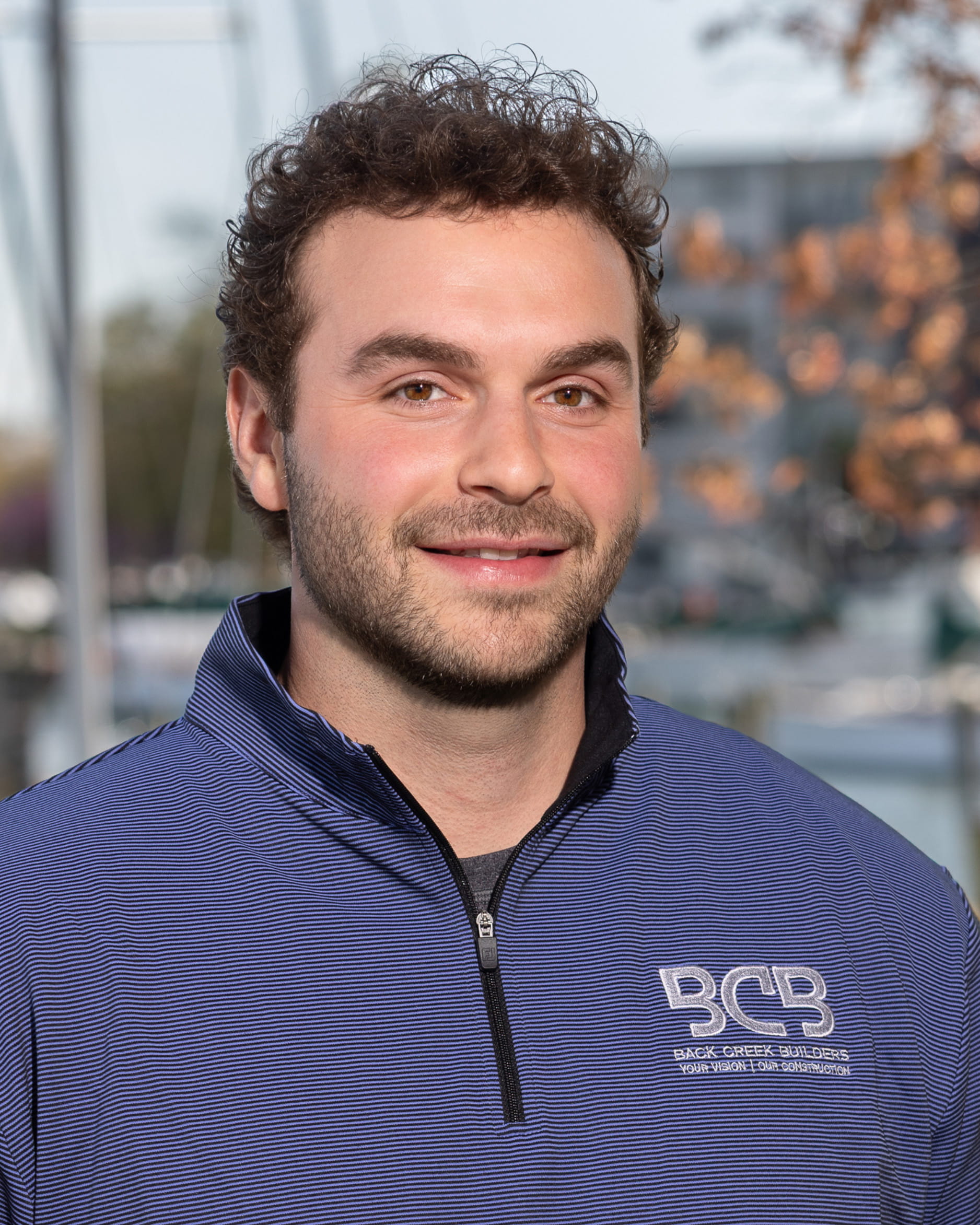
Jason Gelblum
Jason Gelblum co-founded Back Creek Builders and serves as Chief Operating Officer, managing operations, client relationships, and project coordination across the company's portfolio. He brings roughly nine years of professional experience spanning leadership roles, real estate, operations, and construction management.

Eric Young
Eric Young co-founded Back Creek Builders and serves as President, overseeing construction planning and project execution across the company's residential and sport court work. His background spans real estate development and hands-on construction management, giving him a perspective on projects from initial land evaluation through final walkthrough.
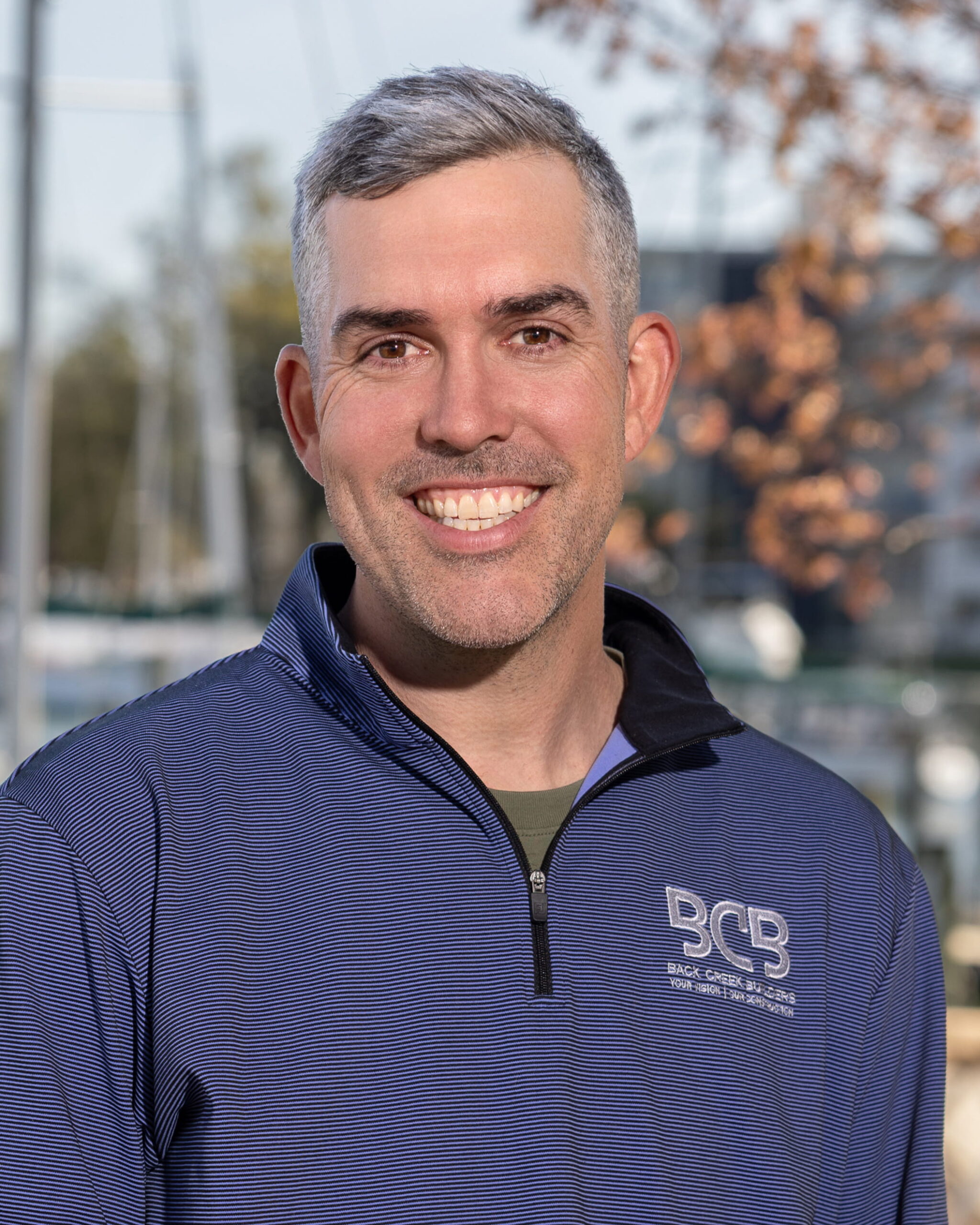
David Stockum
David Stockum is a partner at Back Creek Builders who brings deep experience in residential and commercial restoration, operations, and construction management. He’s known for turning complex projects into well-coordinated builds, standardizing processes, and keeping communication clear so work is delivered on time, on budget, and to a high standard.