Basement Remodeling Annapolis, MD
Most Annapolis basements sit underutilized. Storage. Mechanicals. Maybe a workshop area that sees occasional use. Square footage that’s technically part of the home but doesn’t function like it.
Finishing a basement changes that equation significantly.
The space already exists. The foundation is poured, the footprint established. Converting that raw or outdated space into functional living area costs substantially less per square foot than building an addition—and doesn’t consume yard space or alter the home’s exterior appearance.
But basement remodeling in this area involves challenges that standard above-grade renovation doesn’t present. Moisture. Many Annapolis basements experience water intrusion during heavy rains or sustained wet periods. The water table rises in low-lying areas near the Severn and South Rivers. Humidity stays elevated year-round given Chesapeake proximity. Address these conditions incorrectly—or fail to address them at all—and finished basements develop mold, musty odors, and material failures within a few years.
At Back Creek Builders, we approach basement finishing with the moisture management focus this climate demands. Our Annapolis, MD basement remodeling projects create genuinely functional living space that holds up over time. We work throughout Anne Arundel County on everything from basic finishing to comprehensive basement transformations. Reach out to discuss your project.
Why Choose Back Creek Builders for Basement Remodeling in Annapolis?
Moisture Comes First
Every basement conversation starts here. Not with flooring samples or wall colors. With water.
Where does moisture enter? Through the slab? Through walls? At the joint between them? Is there active water intrusion or just elevated humidity? Has previous waterproofing been attempted? Did it work?
These questions determine what’s possible. Finishing a basement with unresolved moisture problems doesn’t create living space—it creates an environment where mold thrives behind walls and flooring fails prematurely. We assess moisture conditions honestly before discussing finishes.
Eric Young and Jason Gelblum founded Back Creek Builders with residential construction backgrounds. Eric serves as President with real estate development and construction planning experience. Jason operates as Chief Operating Officer, bringing roughly nine years across leadership and project management. Baltimore Magazine has featured their work.
That construction foundation shapes how we evaluate basements. We understand drainage systems, vapor barriers, waterproofing approaches, and dehumidification requirements. When moisture issues exist, we address them. When they don’t, we move forward confidently.
Annapolis Basement Conditions
Basements here face specific challenges. Proximity to tidal waters means elevated water tables in many neighborhoods. Clay soils common to parts of Anne Arundel County retain moisture and create hydrostatic pressure against foundation walls. Older homes may have stone or block foundations with inherent porosity that poured concrete doesn’t share.
We’ve finished basements across the area—homes near the water with significant moisture management requirements, mid-century construction with dated mechanical systems consuming valuable space, newer homes with unfinished basements awaiting personalization. Our portfolio reflects that range.
Building Code Realities
Finished basements must meet building codes. This isn’t optional, and the requirements affect design significantly.
Egress windows or doors providing emergency exit. Minimum ceiling heights—typically seven feet, though some portions can be lower. Proper electrical circuits and smoke detection. HVAC supply and return serving the space. Anne Arundel County codes establish specific requirements.
We design basements meeting these standards from the start. Not as afterthoughts requiring revision, but as integral elements of the initial plan.
Beyond Basic Finishing
Some basement projects involve straightforward finishing—framing, drywall, flooring, basic lighting. Others transform basements into specific-use spaces requiring more sophisticated construction.
Home theaters with proper acoustics and light control. Wet bars or kitchenettes with plumbing and ventilation. Exercise rooms with appropriate flooring and climate control. Guest suites with full bathrooms. Home offices requiring dedicated electrical and data infrastructure.
We handle both. Basic finishing executed properly, and complex transformations requiring coordination across multiple trades. The scope matches what you actually need.
What Our Clients Say
⭐⭐⭐⭐⭐
“I had a great experience working with this team. They were very responsive and made the entire process seamless. Highly recommend if you’re looking for someone easy to deal with and professional.” — Michael Price
Read more reviews on our Google Business Profile.
Types of Basement Remodeling Projects We Handle in Annapolis
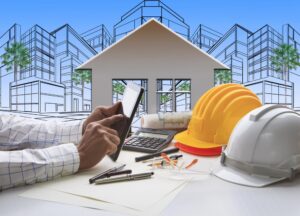 Basement projects range from basic finishing to comprehensive transformations. Scope depends on existing conditions, intended use, and budget.
Full Basement Finishing. Converting entirely unfinished basements into complete living space. Framing, insulation, drywall, flooring, lighting, electrical, and HVAC integration. These projects maximize usable square footage in homes where basements have remained raw since construction.
Basement Renovation. Updating previously finished basements that have become dated or damaged. Replacing worn flooring, updating lighting, refreshing wall treatments, improving layouts established decades ago. Sometimes renovation reveals moisture issues that original finishing ignored—we address those before proceeding.
Recreation Rooms. General-purpose living space for family activities, entertaining, or relaxation. Flexible layouts accommodating various furniture arrangements and uses. Durable finishes handling heavier use than formal living areas typically see.
Home Theaters. Purpose-built viewing rooms with proper acoustic treatment, light control, elevated platforms for tiered seating, dedicated electrical circuits, and pre-wiring for audio/video equipment. Theater construction involves details that general contractors often overlook.
Guest Suites. Basement bedrooms with dedicated bathrooms, providing privacy for extended family visits or long-term guests. Egress requirements are particularly important here. Bathroom construction in basements involves specific waterproofing and plumbing considerations.
Home Offices. Dedicated work spaces with appropriate lighting, electrical capacity, data connectivity, and acoustic separation from household activity. Remote work has increased demand for basement offices that provide genuine separation from living areas.
Exercise and Fitness Rooms. Spaces designed for home gyms, yoga practice, or fitness equipment. Flooring appropriate for impact and equipment weight. Climate control adequate for physical activity. Sometimes mirrors, sound systems, or specialized ventilation.
Wet Bars and Kitchenettes. Beverage and entertainment stations ranging from simple bars to full kitchenettes with sinks, refrigeration, and sometimes cooking capability. Plumbing, drainage, and ventilation requirements apply.
Combination Spaces. Many basements serve multiple purposes. Recreation area plus home office. Guest suite plus exercise room. We design layouts accommodating varied uses while maintaining functional separation where needed.
Important Aspects of Annapolis Basement Remodeling
Basement finishing involves considerations that don’t apply to above-grade construction.
Moisture Assessment and Management. Every basement project begins here. We evaluate existing moisture conditions—testing humidity levels, looking for evidence of water intrusion, assessing drainage and grading outside the foundation. When problems exist, solutions range from interior drainage systems and sump pumps to exterior waterproofing and regrading. Finishing cannot proceed until moisture is controlled. EPA guidance on basement moisture establishes why this matters.
Egress Requirements. Finished basement spaces used as bedrooms require emergency egress—windows or doors meeting specific size requirements for escape during emergencies. Existing basement windows rarely qualify. Adding proper egress often requires cutting foundation walls and installing wells or walkouts. Building codes establish minimum dimensions.
Ceiling Height Considerations. Minimum ceiling height requirements affect what’s possible. Many older Annapolis basements have limited headroom. Ductwork, beams, pipes, and mechanical equipment reduce clear height further. Creative solutions exist—relocating mechanicals, building soffits, using recessed lighting—but some basements simply don’t accommodate comfortable finished space.
HVAC Integration. Finished basements require heating and cooling. Extending existing systems works when capacity allows. Sometimes dedicated mini-split systems provide more practical solutions. Ductwork routing, return air provisions, and thermostat zoning all require planning.
Electrical Requirements. Finished basements need adequate electrical service. Lighting circuits, outlets per code requirements, dedicated circuits for specific equipment, smoke and carbon monoxide detection. Older homes may require panel upgrades to accommodate basement finishing alongside existing household loads.
Insulation Strategies. Basement insulation differs from above-grade approaches. Rim joists, foundation walls, and sometimes floors require treatment. Vapor barrier placement depends on climate and conditions—wrong placement creates condensation problems. We specify insulation systems appropriate for basement applications in this climate.
Flooring Selection. Basement floors sit on concrete slabs in contact with earth. Moisture vapor migrates through concrete continuously, even in “dry” basements. Flooring materials must accommodate this reality. Some options work well—luxury vinyl, tile, engineered products designed for basements. Others—solid hardwood, standard carpet padding—often fail.
Plumbing Considerations. Adding bathrooms, wet bars, or kitchenettes below grade involves plumbing that can’t drain by gravity to sewer lines above. Sewage ejector systems pump waste up to main drain lines. These systems add cost and maintenance requirements but enable full basement functionality.
What Are the Steps of the Basement Remodeling Process?
 Basement finishing follows a sequence shaped by the unique conditions below-grade work presents.
Step 1: Initial Consultation. We discuss how you envision using the finished space. Recreation, guest accommodations, home office, entertainment, fitness—intended use shapes design. Budget parameters and timeline expectations get established.
Step 2: Moisture and Conditions Assessment. We evaluate existing basement conditions thoroughly. Humidity readings. Evidence of past or current water intrusion. Foundation type and condition. Existing mechanicals and their locations. Headroom measurements. This assessment determines what’s possible and identifies work required before finishing.
Step 3: Design Development. Floor plans emerge based on your requirements and site conditions. Room layouts, egress provisions, bathroom locations if applicable, mechanical system integration. Material selections follow. We refine the design until it addresses your needs within structural and budgetary constraints.
Step 4: Moisture Remediation. When assessment reveals moisture issues, remediation proceeds before any finishing work. Interior drainage systems, sump pump installation, vapor barriers, exterior waterproofing if warranted. This phase may extend timelines but prevents far more costly failures later.
Step 5: Permitting. Applications go to Anne Arundel County. Finished basements require permits addressing egress, electrical, HVAC, and sometimes plumbing. We prepare documentation and obtain approvals before construction.
Step 6: Egress Installation. If egress windows or doors are required, foundation work happens early. Cutting openings, installing wells, setting windows or doors. This work must complete before framing proceeds around those openings.
Step 7: Rough-In Work. Framing establishes room layouts. Plumbing rough-in for any bathrooms or wet bars. Electrical wiring for outlets, lighting, and dedicated circuits. HVAC ductwork extended or systems installed. Inspectors verify this work before insulation and drywall.
Step 8: Insulation and Vapor Control. Rim joists insulated. Foundation walls treated appropriately for conditions. Vapor barriers placed correctly for climate. Getting this phase right determines long-term comfort and energy performance.
Step 9: Finishing. Drywall hung, taped, and painted. Flooring installed—appropriate materials for below-grade application. Trim completed. Fixtures mounted. Cabinetry and built-ins installed if included. The basement transforms from construction zone to living space.
Step 10: Final Inspection and Handoff. Systems tested. Code compliance verified. Final cleanup completed. We walk through together, demonstrate any mechanical systems, and hand over finished space ready for use.
Contact Back Creek Builders
If your Annapolis basement represents untapped potential—square footage waiting to become functional living space—we’d welcome the opportunity to discuss your project. Basement remodeling done correctly adds genuine value. Done incorrectly, it creates ongoing problems.
Contact us to schedule a consultation. Back Creek Builders brings the same construction standards to basement finishing that we apply to home renovation, kitchen remodeling, and every project we undertake throughout Anne Arundel County.
Types Of Basement Remodeling Services We Offer
 Making better use of a basement can add valuable living space without changing the footprint of the home. A project this big calls for a professional Annapolis, MD basement remodeling contractor. At Back Creek Builders LLC, we take on a wide range of basement upgrade projects that turn underused areas into practical spaces for everyday life. We’ll use our 10+ years of experience to make sure the end results are high-quality and built to your specifications. Keep reading to see our basement renovation services, and get in touch with us today to get started.
Full Basement Finishing
If you want a complete basement renovation, we’ve got you covered. We take unfinished basements and turn them into complete living areas. This may include framing, drywall, flooring, lighting, and all major systems needed for daily use.
Family Room Builds
We create comfortable family rooms that give households extra space to relax. These areas are often designed for seating, media use, and general gathering.
Home Office Spaces
Basement improvement can include work, as well as play. we build basement offices that offer a quiet place to work or study. These projects focus on lighting, layout, and access to power and data.
Guest Suite Additions
As your Annapolis basement remodeling contractors, we can add guest suites that include sleeping areas and, in some cases, private bathrooms. This gives visitors a separate space that feels more private.
Basement Bedrooms
We build bedrooms that meet local code requirements, including proper egress and ventilation. These rooms can be used for family members or long-term guests.
Bathroom Additions
We install full or half bathrooms in basement spaces. This adds convenience and can support other features like guest suites or living areas.
Wet Bar And Kitchenette Builds
When you book your basement renovation services, we can help you plan out wet bars or small kitchen areas for entertaining or daily use. These setups often include cabinets, sinks, and space for appliances.
Home Theater Rooms
We build dedicated media rooms designed for movies, shows, or gaming. These spaces often include sound control, seating layouts, and lighting adjustments.
Fitness Room Builds
We create workout areas that support home fitness routines. These projects may include durable flooring and open layouts for equipment.
Laundry Room Builds
We create or upgrade laundry areas with better layout and storage. This can make routine tasks easier and keep equipment in one place.
Ceiling Finishing
We install finished ceilings that improve the look and feel of the space. Options may include drywall or drop ceilings depending on the setup.
Flooring Installation
We install flooring suited for basement conditions, such as moisture-resistant materials. This helps improve comfort and durability.
Lighting Upgrades
We improve lighting throughout the basement to make the space more usable. This may include overhead fixtures, recessed lighting, and task lighting.
Contact Us Today
Every basement project we take on is built around clear communication and steady progress from start to finish. If you are ready to turn your basement into a more useful part of your home, Back Creek Builders LLC is ready to help. Reach out to us today to get started with an Annapolis basement remodeling contractor from our team.
Meet Our Team

Jason Gelblum
Jason Gelblum co-founded Back Creek Builders and serves as Chief Operating Officer, managing operations, client relationships, and project coordination across the company's portfolio. He brings roughly nine years of professional experience spanning leadership roles, real estate, operations, and construction management.

Eric Young
Eric Young co-founded Back Creek Builders and serves as President, overseeing construction planning and project execution across the company's residential and sport court work. His background spans real estate development and hands-on construction management, giving him a perspective on projects from initial land evaluation through final walkthrough.

David Stockum
David Stockum is a partner at Back Creek Builders who brings deep experience in residential and commercial restoration, operations, and construction management. He’s known for turning complex projects into well-coordinated builds, standardizing processes, and keeping communication clear so work is delivered on time, on budget, and to a high standard.