Pickleball Court Builder Annapolis, MD
Pickleball participation in Annapolis has outpaced the infrastructure to support it. Public courts at local parks stay booked. Country clubs field constant requests from members. HOAs debate adding courts to common areas. Apartment communities see it as a competitive amenity. And homeowners who are tired of waiting for open court time start thinking about building their own.
The demand cuts across every setting. So does the need for courts to be built correctly.
Poor drainage turns playing surfaces into puddles after afternoon storms. Inadequate base preparation leads to cracking within a few seasons. Wrong orientation puts the Chesapeake sun directly in players’ eyes during peak hours. These problems affect both backyard courts and municipal facilities.
At Back Creek Builders, we construct pickleball courts for private residences, community associations, parks departments, athletic clubs, and commercial properties throughout the Annapolis area. Our Annapolis pickleball court construction reflects both construction knowledge and a genuine understanding of how the game is played. Reach out to discuss your project.
Why Choose Back Creek Builders for Pickleball Court Construction in Annapolis?
We Know Pickleball
Eric Young and Jason Gelblum met on a pickleball court. They’re competitive players who understand the difference between a court that looks adequate and one that actually plays well. Surface texture that provides grip without being abrasive. Net post placement that meets tournament specifications. Enough runback space that players aren’t colliding with fences chasing lobs.
Eric serves as President of Back Creek Builders, bringing real estate development and construction planning experience. Jason serves as Chief Operating Officer with approximately 9 years of experience in leadership and project coordination. Baltimore Magazine has featured their work. But when it comes to pickleball courts specifically, what sets them apart is that they’ve played on courts that were built wrong. They know what to avoid.
Experience Across Project Types
A two-court installation at a private residence involves different considerations than an eight-court complex for a parks department. HOA projects require board approval and resident input. Country clubs expect aesthetic integration with existing facilities. Commercial properties need courts that handle heavy daily use.
We’ve worked across these settings. That range indicates we understand which questions to ask, which challenges typically arise, and how specifications should vary by use intensity. Our portfolio includes projects for homeowners, community associations, and recreational facilities throughout Anne Arundel County.
Construction Expertise Beyond Courts
A pickleball court is essentially a specialized slab with precise surface requirements. Getting it right requires an understanding of concrete work, drainage engineering, surface coating systems, and site preparation, skills developed through broader construction experience.
We don’t only build courts. We build custom homes, outdoor living spaces, pools, and complete residential and commercial projects. That range means we understand how courts integrate with surrounding properties. Drainage that protects both the courts and adjacent areas. Electrical infrastructure for lighting that meets capacity requirements. Placement that works within existing site constraints.
Anne Arundel County Permitting
Permit requirements in Anne Arundel County differ from those in other Maryland jurisdictions. Setback rules, impervious surface calculations, stormwater management requirements, and noise considerations all affect what can be built and where.
We’ve navigated these regulations on multiple Annapolis-area projects—residential and commercial. We know which documentation reviewers require and how to structure applications for efficient approval. Municipal and community projects often involve additional coordination with public works departments or HOA architectural committees. We handle that complexity.
What Our Clients Say
⭐⭐⭐⭐⭐
“We hired Back Creek Builders to put in a pickleball court and couldn’t be happier. The entire process was smooth, great communication, quality work, and they clearly knew what they were doing. Court plays great and looks even better.”
– Sam Gurman
Read more reviews on our Google Business Profile.
Types of Pickleball Court Projects We Handle in Annapolis
Court construction varies based on setting, intended use, and user volume. We work across the full spectrum.
Residential Courts. Backyard courts for homeowners who want to play on their own schedule. Single-court installations are most common, though properties with sufficient space sometimes accommodate two or more. Most residential lots in the Annapolis area can fit a regulation court with proper planning.
HOA and Community Association Courts. Common-area courts serving neighborhood residents. These projects require board approvals, resident input, and, often, phased construction to manage association budgets. Courts need to handle shared use while maintaining aesthetic compatibility with community standards.
Parks and Recreation Facilities. Municipal courts serve the public. Higher use intensity requires more durable construction. ADA accessibility requirements apply. Multi-court layouts maximize programming flexibility. We coordinate with parks departments on specifications, scheduling, and inspection requirements.
Country Club and Athletic Facility Courts. Private clubs are adding or expanding pickleball offerings for members. These installations often require integrating with existing tennis facilities or constructing dedicated pickleball complexes. Aesthetic standards typically exceed what residential or municipal projects require.
Apartment and Multifamily Community Courts. Amenity courts that attract and retain residents. Durable construction handles heavy use from rotating tenant populations. Lighting extends usable hours. Noise mitigation matters when courts sit near residential buildings.
Commercial and Corporate Courts. Office parks, hotels, and corporate campuses adding pickleball as an amenity. These projects balance recreational appeal with professional appearance and low maintenance requirements.
Court Conversions. Existing tennis courts often see more pickleball than tennis these days. Converting to dedicated pickleball—or adding permanent pickleball lines—extends the life of underutilized courts. We also handle sport court resurfacing when existing surfaces need restoration before conversion.
Multi-Sport Courts. Some installations serve multiple purposes. Pickleball and tennis on shared surfaces with appropriate striping. Pickleball and basketball combinations for facilities wanting maximum flexibility. Our experience with tennis court construction and basketball courts informs these hybrid designs.
Important Aspects of Annapolis Pickleball Court Construction
Building courts that play well and last requires attention to factors that aren’t always obvious upfront.
Site Selection and Orientation. Court orientation affects playability. North-south alignment minimizes sun interference during morning and evening play. But property constraints—especially on smaller residential lots or within existing facility footprints—sometimes require compromises. We evaluate available space and identify placement options that balance ideal orientation with practical limitations.
Base Preparation. What’s underneath the surface matters as much as the surface itself. Proper excavation, compacted aggregate base, and reinforced concrete slab construction prevent the settling and cracking that plague courts built on inadequate foundations. Commercial installations with higher use intensity need even more robust base construction.
Drainage Engineering. Courts must shed water quickly without creating problems for surrounding areas. Surface slope, perimeter drainage, and integration with existing site drainage all require planning. Stormwater regulations may apply depending on total impervious area—particularly relevant for multi-court installations.
Surface Systems. Acrylic court surfaces come in various grades. Residential courts can use standard recreational systems. Facilities that expect heavy daily use require commercial-grade surfaces rated for higher traffic. We specify appropriate systems based on anticipated use intensity and maintenance expectations.
Fencing Requirements. Perimeter fencing contains balls and defines playing areas. Multi-court facilities need interior divider fencing. Height, mesh size, gate placement, and post spacing affect both function and appearance. Dark fence colors reduce visual distraction during play.
Lighting for Extended Play. Evening use requires proper illumination. Sport court lighting involves more than pointing fixtures at the surface—light levels must be adequate and uniform, glare controlled for players, and spillover minimized for neighbors or adjacent uses. LED systems reduce operating costs for facilities with extensive evening programming.
Permit Requirements. Anne Arundel County requires permits for court construction. Applications involve site plans, setback verification, and impervious surface calculations. Larger installations may trigger stormwater management requirements. County building codes establish standards. We manage permitting from application through final inspection.
Noise Considerations. Pickleball’s distinctive sound carries. Residential courts near property lines, community courts near homes, facility courts near offices—all benefit from thoughtful placement and sometimes acoustic fencing. Addressing noise during planning prevents conflicts later.
Accessibility Requirements. Public facilities and certain commercial installations must meet ADA standards for accessible routes to courts, gate hardware, and related amenities. We incorporate accessibility requirements into facility design from the outset.
What Are the Steps of the Pickleball Court Construction Process?
Court construction follows a defined sequence. The specifics vary by project scale, but the phases remain consistent.
Step 1: Site Visit and Consultation. We walk the property together, whether it’s a backyard, community common area, or municipal park site. Where do courts fit best? What orientation works? How does drainage flow currently? What’s the intended use intensity? For facilities, we also discuss programming needs, phasing possibilities, and budget parameters.
Step 2: Design and Proposal. Court plans take shape, showing exact placement, dimensions, fencing configurations, lighting (if applicable), and any amenities such as seating or shade structures. Proposals detail scope, specifications, timeline, and cost. Multi-court facilities may include phasing options.
Step 3: Approvals and Permitting. Residential projects require county permits. Community and municipal projects often require additional approvals, including HOA board approval, park department review, and public meetings. We prepare documentation, manage submissions, and shepherd projects through approval processes.
Step 4: Site Preparation. Vegetation and topsoil removal. Excavation to proper depth. Utility location and protection. Subgrade compaction. The scale of this phase varies dramatically between a single backyard court and an eight-court municipal complex.
Step 5: Base Construction. Aggregate base material is installed in compacted layers. This foundation distributes loads and facilitates drainage. Proper base construction prevents the settling and cracking that undermine courts built on shortcuts.
Step 6: Concrete Work. Reinforced concrete slabs poured with a precise slope for drainage. Control joints cut to manage cracking. Adequate cure time before surface application, hastening this can cause coating failures.
Step 7: Surface Application. Acrylic surfacing is applied in multiple coats. Base coats level the concrete. Color coats establish the playing surface. Texture coats provide ball response and traction. Lines painted to regulation specifications.
Step 8: Fencing, Lighting, and Accessories. Perimeter and divider fencing installed. Net posts set at regulation positions. Lighting fixtures mounted and aimed if included. Benches, shade structures, or other amenities are completed.
Step 9: Final Inspection and Handoff. We verify everything meets specifications. Net heights checked. Surface inspected. Lighting levels confirmed. You receive courts ready for play—whether that’s your first backyard game or opening day at a new community facility.
Contact Back Creek Builders
If you’re considering pickleball court construction in the Annapolis area, whether for a private residence, HOA, parks department, or commercial property, we’d welcome the opportunity to discuss your project. We bring both construction capability and genuine understanding of the game to every installation.
Contact us to schedule a site visit. Back Creek Builders constructs pickleball courts throughout Annapolis and Anne Arundel County with the same quality standards we apply to residential construction and home renovation projects.
Meet Our Team
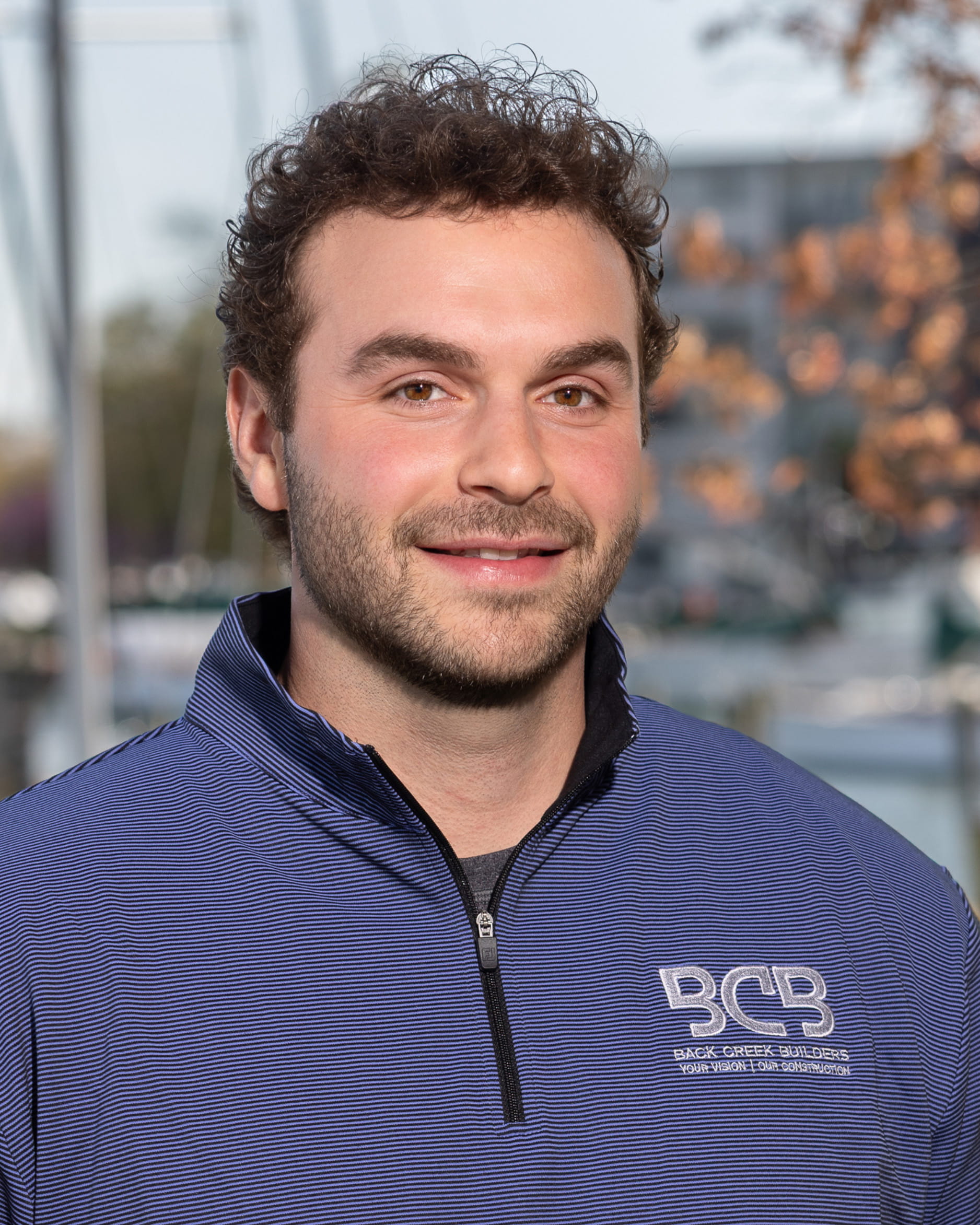
Jason Gelblum
Jason Gelblum co-founded Back Creek Builders and serves as Chief Operating Officer, managing operations, client relationships, and project coordination across the company's portfolio. He brings roughly nine years of professional experience spanning leadership roles, real estate, operations, and construction management.

Eric Young
Eric Young co-founded Back Creek Builders and serves as President, overseeing construction planning and project execution across the company's residential and sport court work. His background spans real estate development and hands-on construction management, giving him a perspective on projects from initial land evaluation through final walkthrough.
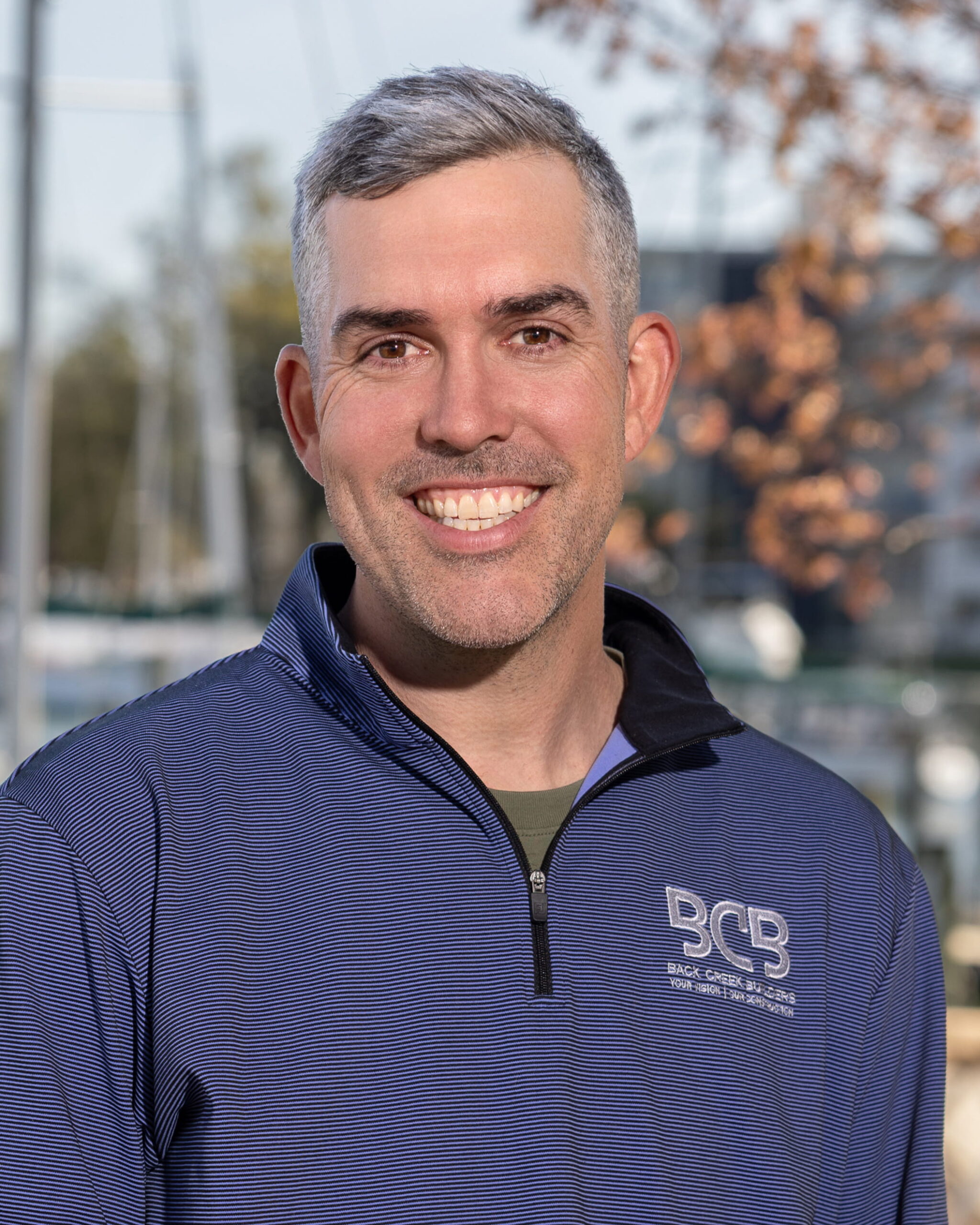
David Stockum
David Stockum is a partner at Back Creek Builders who brings deep experience in residential and commercial restoration, operations, and construction management. He’s known for turning complex projects into well-coordinated builds, standardizing processes, and keeping communication clear so work is delivered on time, on budget, and to a high standard.