A pool changes how people use a space. Families on summer weekends. Apartment residents doing morning laps. Country club members cooling off after eighteen holes. University swimmers logging training miles before class.
The settings couldn’t be more different. But the construction fundamentals? Those stay constant. Getting them right means a pool that performs for decades. Getting them wrong means problems that compound year after year.
At Back Creek Builders, we take on pool projects for private residences, athletic facilities, country clubs, HOA communities, parks departments, and schools throughout the state. Our pool construction work connects to everything else we do—custom homes, outdoor living, game courts. That broader perspective is something pool-only contractors typically lack. Reach out if you’d like to talk through a project.
Why Choose Back Creek Builders for Pool Construction?
We Build More Than Pools
Most pool contractors know pools. Ask them to integrate that pool with a patio, coordinate with an outdoor kitchen installation, or work around complex site drainage—and things get complicated fast.
Our background is different. Eric Young and Jason Gelblum started Back Creek Builders with roots in real estate development and residential construction. Eric serves as President. His experience spans real estate, development, and hands-on construction planning. Jason handles operations as Chief Operating Officer—roughly nine years across leadership, real estate, and project coordination. Baltimore Magazine has covered their work on custom homes and sport courts.
That foundation changes how we approach pool work. Site drainage, utility routing, structural tie-ins, ADA requirements for commercial facilities—we understand how a pool fits into a larger property. When the project involves connecting to outdoor living spaces or anchoring a new amenity center, we handle the full scope.
Different Projects, Different Requirements
Building a backyard pool for one family is nothing like constructing an eight-lane competition facility for a university athletic program. Community pools that serve hundreds of residents have demands a private installation never faces. Country clubs care about aesthetics in ways that municipal parks departments might not.
We’ve built across all these settings. The range matters because it means we know what to ask, where problems tend to surface, and which solutions actually hold up. Take a look at our portfolio to see the variety.
Design Around Actual Use
Every pool project starts with one question: how will this facility actually get used?
Lap swimmers need different specifications than families who want a resort-style hangout. Competition pools require precise dimensions. Community pools have to balance appeal with operational realities. Some clients show up with architect drawings. Others have a rough concept and need help turning it into something buildable.
We work either way. Our design process adapts to wherever you’re starting from.
Construction That Lasts
Pool shells have to hold up for decades. Cut corners during construction, and you’re looking at cracking, settling, leaks—expensive repairs that never quite solve the underlying problem.
We use gunite and shotcrete for most inground pools. Same methods you’d find in commercial aquatic facilities nationwide. Applied correctly and cured properly, these materials create structures that perform regardless of how heavily they’re used. But quality isn’t just about the shell. It shows up in plumbing sized right for circulation loads. Electrical work that meets commercial codes. Deck drainage that actually prevents standing water. Equipment pads placed where maintenance crews can access them without disrupting everything else.
One Point of Contact
Pool construction pulls in a lot of trades. Excavation. Steel fabrication. Plumbing and electrical. Masonry. Decking. Equipment installation. On commercial projects with tight deadlines, coordinating all of that becomes a job unto itself.
We manage it. You deal with us—not a parade of subcontractors. Eric and Jason stay directly involved. When something comes up, and something usually does, we address it before your timeline or budget takes a hit.
What Our Clients Say
⭐⭐⭐⭐⭐
“Back creek builders were so amazing to work with! They were super responsive and I was so happy with the finished product. It can be so hard to find contractors you can trust but back creek builders were honest and transparent the out the whole process, I will definitely be using them for my next home project!” — Samantha Vose
Read more reviews on our Google Business Profile.
Types of Pool Construction Projects We Handle
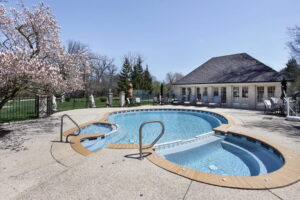 We build for residential clients, commercial facilities, and institutions. Projects range from compact backyard pools to full-scale aquatic complexes.
Residential Pools. Still our most common work. Gunite and shotcrete let us customize completely—shape, size, depth, whatever fits your property. We’ve done geometric lap pools. Freeform designs with stone surrounds and integrated spas. Water features that turn a backyard into something else entirely. A lot of residential projects tie into broader outdoor living spaces—patios, kitchens, fire pits.
Country Club and Resort Pools. Private clubs have expectations. Vanishing edges, raised spas, expansive sundecks, architecture that flows from the clubhouse. Aesthetic details carry as much weight as structural quality. We collaborate with club leadership and their design teams to create something that adds real value for members.
HOA and Apartment Community Pools. These pools see heavy use from a lot of different people. Durability matters. So does efficient circulation, appropriate capacity, and compliance with commercial regulations. Shade structures, seating, restroom proximity—all of it factors into the design. We build community pools that handle the traffic while still feeling inviting.
Parks and Recreation Facilities. Municipal pools serve the public. That means strict safety requirements and full ADA accessibility. Commercial-grade equipment is standard. These projects often involve parks departments, public works offices, and multiple layers of inspections. We’ve navigated that complexity before.
School and University Pools. Educational aquatic facilities cover a wide range. Basic instructional pools on one end. NCAA competition venues on the other. Training pools need proper lane configurations and infrastructure for timing systems. Diving facilities require specific depths and clearances. We work with athletic departments and architects to meet competitive and institutional standards.
Athletic and Training Facilities. Swim schools, physical therapy centers, private athletic clubs, competitive training programs—each needs pools built to commercial standards but with different specifications. Therapy pools have temperature and depth requirements unlike anything else. Lap pools for fitness programming need different features than training pools for competitive swimmers.
Pool Renovations. Older pools with cracked shells, failing tile, dated equipment, or inefficient systems don’t always need replacement. Sometimes renovation makes more sense. We evaluate what’s there and give you an honest recommendation—whether that’s restoration or starting over.
Important Aspects of Pool Construction
Pool projects come with regulatory, technical, and practical considerations. They vary depending on whether you’re building residential or commercial, but some apply across the board.
Permits and Inspections. Every pool requires permits. Commercial pools face additional scrutiny beyond what residential projects see. Expect to submit site plans, structural drawings, and barrier compliance documentation. Commercial facilities also need health department sign-off. The Virginia Graeme Baker Act sets federal drain safety standards for all pools. We handle permitting and coordinate inspections from start to finish.
Commercial Pool Regulations. Any pool accessible to the public, apartment community, country club, municipal park, falls under commercial pool rules. Water quality monitoring, lifeguard requirements, capacity limits, safety equipment. Design has to accommodate operational needs from day one.
Barrier and Safety Requirements. Maryland requires barriers around pools to prevent unsupervised access. Specifics differ between residential and commercial. Fence heights, gate mechanisms, alarm requirements—these vary by jurisdiction and pool type. State and local codes set the minimums. We build required safety features into the design upfront.
ADA Accessibility. Public and commercial pools need accessible entry points. Pool lifts, sloped entries, transfer walls, accessible stairs—options depend on pool size and facility classification. We design accessibility features that satisfy legal requirements without looking like afterthoughts.
Site Conditions. What’s underground matters. Soil type affects excavation difficulty and structural needs. High water tables mean dewatering during construction. Rocky ground adds cost. Large commercial sites sometimes need geotechnical studies before we can finalize budgets and schedules.
Equipment and Systems. Commercial pools demand heavier-duty equipment than residential ones. Higher-capacity pumps, commercial filtration systems, automatic chemical controllers, robust circulation. Variable speed pumps and efficient heaters cut long-term operating costs for facilities running year-round. We match equipment to the scale and usage patterns of each project.
Timeline Realities. Residential pools usually take 8 to 14 weeks. Commercial jobs run longer—complexity, permitting, coordination with other construction all extend things. Most clients want pools ready for summer, so seasonal timing affects scheduling. We build realistic timelines and tell you early when something shifts.
Here’s the revised Steps section:
What Are the Steps of the Pool Construction Process?
 The sequence stays consistent whether we’re building in a backyard or on a campus.
Step 1: Initial Consultation. We sit down to talk through your vision, how the facility will be used, and what budget you’re working with. For commercial projects, this conversation also covers operational requirements and regulatory considerations that will shape the design.
Step 2: Site Evaluation. We visit the property to assess available space, access routes for equipment, soil conditions, utility locations, and anything else that might constrain design or complicate construction. Larger commercial sites sometimes require formal surveys or geotechnical studies before we can move forward.
Step 3: Design Development. Based on what we learn from the site and your requirements, we develop detailed plans covering pool dimensions, depth profiles, features, surrounding elements, and equipment specifications. Commercial projects typically involve coordination with architects and engineers during this phase.
Step 4: Proposal and Contract. We prepare a detailed proposal that covers scope, specifications, timeline, and costs. Once terms are finalized, we move into permitting.
Step 5: Permitting. Applications go to the building department, and commercial pools also require health department review. We manage the submissions and handle any questions or revisions that come back from reviewers.
Step 6: Excavation. Heavy equipment removes soil to create the pool cavity. For most residential projects, excavation wraps up in a single day. Larger commercial pools require extended excavation phases depending on size and site conditions.
Step 7: Steel and Plumbing. Rebar reinforcement is installed according to the structural specifications. Plumbing lines for drains, returns, and water features are positioned and pressure tested to ensure everything holds before we move on.
Step 8: Shell Construction. Gunite or shotcrete is sprayed into place and finished by hand. The shell needs adequate curing time before subsequent work begins—rushing this step creates problems that surface later.
Step 9: Finishes and Decking. Tile, coping, and interior plaster or aggregate finishes are installed. Surrounding deck surfaces go in along with drainage systems and any additional amenities included in the design.
Step 10: Equipment and Startup. Pumps, filters, heaters, chemical systems, and automation controls are installed and connected. The pool is filled, systems are tested, water chemistry is balanced, and the facility is prepared for use.
Contact Back Creek Builders
Thinking about a pool project? We work with homeowners, HOAs, developers, municipalities, schools, and athletic organizations across the state. Residential or commercial—we’d like to hear what you have in mind.
Contact us to set up a conversation. Back Creek Builders brings the same standards to pool construction that we bring to custom homes and game courts.
Pool Construction Statistics
 Building a pool involves a specific set of safety decisions early on, particularly around fencing, gates, and how the finished space connects to the rest of the property, because those choices are much harder and more expensive to correct once construction wraps up.
Drowning is a leading cause of injury and death connected to residential construction, and it’s also one of the more preventable outcomes in the industry when the right features are part of the plan from the start. The research on what actually reduces risk is well established, which makes it worth grounding pool-related decisions in real data rather than general assumptions about what “looks safe.”
- Drowning is the leading cause of death for children ages 1 to 4, according to the CDC.
- A four-sided isolation fence that separates the pool area from the house reduces a young child’s drowning risk by 83% compared to three-sided fencing that uses the house as one barrier wall, per CDC research.
- Most fatal and non-fatal drownings among children under 5 happen in pools owned by family, friends, or relatives, not public facilities, according to the same CDC data.
Contractors who treat barrier design as a late-stage add-on tend to produce pools that technically pass inspection but don’t hold up as well against the actual risk they’re meant to address. We build these considerations into the design phase from the first site visit, alongside the structural and mechanical decisions that get more attention by default.
Key Safety Features Every Pool Project Should Include
Code compliance sets the floor for any pool construction project. These are the features worth building in regardless of what the local minimum actually requires.
- Four-sided isolation fencing. A barrier that fully separates the pool from the house, not just the property line, provides meaningfully more protection than a fence that simply uses the house itself as one of the four walls.
- Self-closing, self-latching gates. Gates that require a deliberate action to open and close automatically behind anyone who passes through them close a common gap in otherwise fully compliant fencing.
- Anti-entrapment drain covers. Required under the Virginia Graeme Baker Act, these prevent a specific and historically serious hazard in pool suction and drain systems.
- Pool alarms or covers for secondary protection. Not a substitute for fencing, but an added layer of protection for households with young children or frequent visitors who might not know the pool’s layout.
- Adequate deck lighting. Especially relevant for pools used into the evening, where visibility around the edge matters as much as visibility anywhere in the water itself.
- Non-slip decking materials. Wet pool decks are a common source of injury that has nothing to do with the water itself, since surface texture alone accounts for a measurable share of pool-area accidents.
- Clear sightlines from the house. Landscaping and structure placement that let a supervising adult actually see the pool from inside the house, not just from somewhere in the yard.
Pool Construction FAQs
How much does a pool cost to build?
Cost depends on size, materials, site conditions, and whether the project includes features like spas, water features, or extensive decking. As a full-service residential construction company, we provide real numbers for your pool construction project after evaluating your property and goals rather than a generic estimate.
How long does pool construction take?
Residential pools typically take 8 to 14 weeks from groundbreaking to completion, though permitting and weather can extend that. Commercial pool construction projects generally take longer due to scale and additional regulatory review. As part of our process, we’ll lay out a project-specific timeline when we’re in the beginning stages of your project.
What’s the difference between gunite and vinyl or fiberglass pools?
Gunite and shotcrete allow full customization of shape, size, and depth, and hold up well over decades when applied correctly and cured properly. Vinyl and fiberglass pools come in more limited shapes but can cost less upfront and install faster than a fully custom shell.
Do I need a fence around my pool even if my yard is already fenced?
In most Maryland jurisdictions, yes. A perimeter yard fence doesn’t meet the same standard as a barrier that isolates the pool itself, and many local codes specifically require a four-sided pool barrier regardless of existing property fencing that surrounds the whole yard.
Can you build a pool that connects to an existing patio or outdoor kitchen?
Yes. Poolside living areas require materials rated for splash exposure and drainage planning that keeps pool water off the surrounding hardscape. We coordinate this directly since we build both pieces ourselves.
Do you handle interior work connected to a pool project, like a mudroom or pool bath?
Adding a pool bath or reworking a mudroom near the pool entrance is a common pairing, and it typically falls under a standard home renovation scope rather than a separate contract handled by a different company.
Do commercial pools require different safety features than residential ones?
Yes. Commercial and public pools face additional requirements around lifeguard staffing, ADA accessibility, water quality monitoring, and capacity limits that residential pools don’t encounter, and health department inspectors evaluate these separately from a standard building permit review process.
What maintenance does a new pool require?
Regular water chemistry balancing, filter cleaning, and seasonal opening and closing are the basics of ongoing pool care. Variable-speed pumps and efficient heaters reduce long-term operating costs but still need periodic servicing to keep running efficiently year after year.
Can an older pool be renovated instead of replaced?
Often, yes. Cracked shells, failing tile, and outdated equipment don’t always mean starting over. Our team evaluates the existing structure and gives an honest recommendation on whether renovation or rebuilding makes more sense for the property.
How does site drainage affect pool construction?
Poor drainage planning can send water toward the pool deck, the house foundation, or neighboring properties. We design grading and drainage as part of the pool construction project itself, not as an afterthought once the shell is already in the ground.
Do I need a permit for a pool spa or hot tub, not just the pool itself?
Generally, yes, particularly if it involves separate plumbing, electrical, or gas connections. Spas and hot tubs are typically subject to the same barrier requirements as the pool they’re attached to, since they present the same drowning risk to young children.
Can I see examples of completed pool projects before deciding?
Yes. Past client reviews span residential, HOA, and institutional pool work, reflecting the range of projects we take on.
Do you build both inground and above-ground pools?
Our pool construction work is focused primarily on inground gunite and shotcrete pools, which allow for far more custom shapes, sizes, and depths than above-ground pools can offer. This lets us match the pool to the property rather than the property to a pre-shaped structure.
What happens if unexpected site conditions come up during excavation?
Rocky soil, high water tables, or unmarked utility lines sometimes surface once digging starts. We flag these issues immediately and walk through what they mean for cost and timeline before proceeding, rather than working around them silently and adjusting the invoice later.
Important Resources for Pool Construction in Maryland
Pool barrier compliance in Maryland runs through county health departments rather than the offices that handle general building permits, which surprises some homeowners planning a pool construction project for the first time. Back Creek Builders LLC does not receive compensation from, and does not formally endorse, any organization listed below.
- Anne Arundel Health Department – (410) 222-7217 – oversees public pool inspections, barrier compliance investigations, and operating permits for pools and spas.
- Annapolis Planning and Zoning – (410) 260-2200 – handles building permits for pool construction within Annapolis city limits.
- CPSC Safety Barrier Guidelines – (800) 638-2772 – federal guidance on pool fencing, gates, alarms, and covers, written specifically for pool owners, purchasers, and builders.
What Our Clients Say
★★★★★
“Great communication from start to finish and very responsive to my questions throughout. The process and expectations were laid out very well from the start, and then delivered upon.”
Zak Shiffma
Read more reviews on our Google Business Profile.
Additional Resources for Pool Construction
- How to Plan a Remodel That Truly Adds Value
- What’s Hiding Behind Your Home’s Old Walls
- Why Opening a Floor Plan Isn’t Simple
Contact Back Creek Builders LLC
Whether you’re planning a backyard pool or a full commercial aquatic facility, contact us to schedule a free consultation. We’ll ask about how the pool will be used, walk through site conditions, and talk through what a realistic design, timeline, and budget involve before recommending next steps. There’s no cost and no obligation at this stage, and getting the safety and site questions right early prevents costly changes once construction is underway. We bring the same standards to a single backyard pool that we bring to a multi-lane competition facility.
Meet Our Team
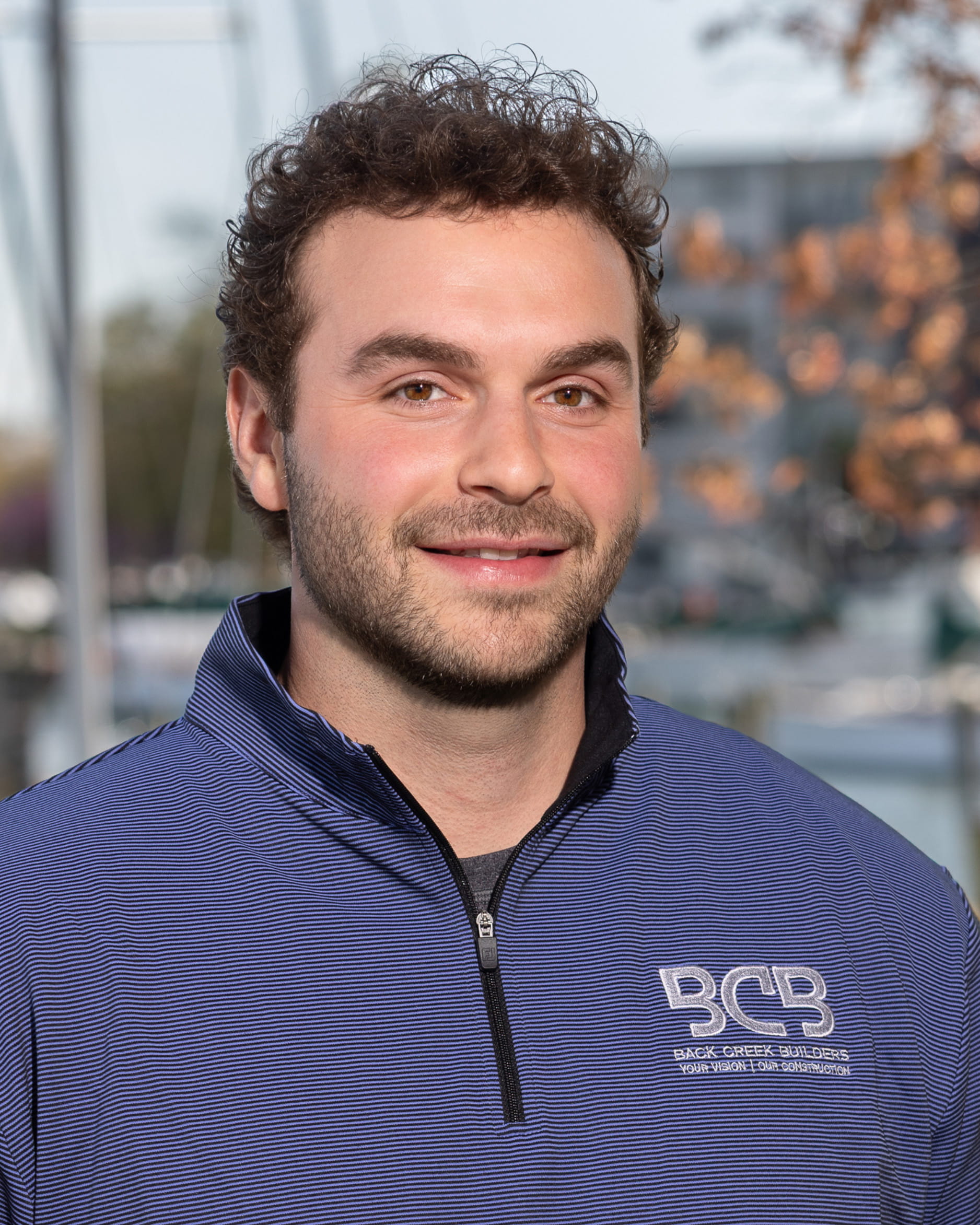
Jason Gelblum
Jason Gelblum co-founded Back Creek Builders and serves as Chief Operating Officer, managing operations, client relationships, and project coordination across the company's portfolio. He brings roughly nine years of professional experience spanning leadership roles, real estate, operations, and construction management.
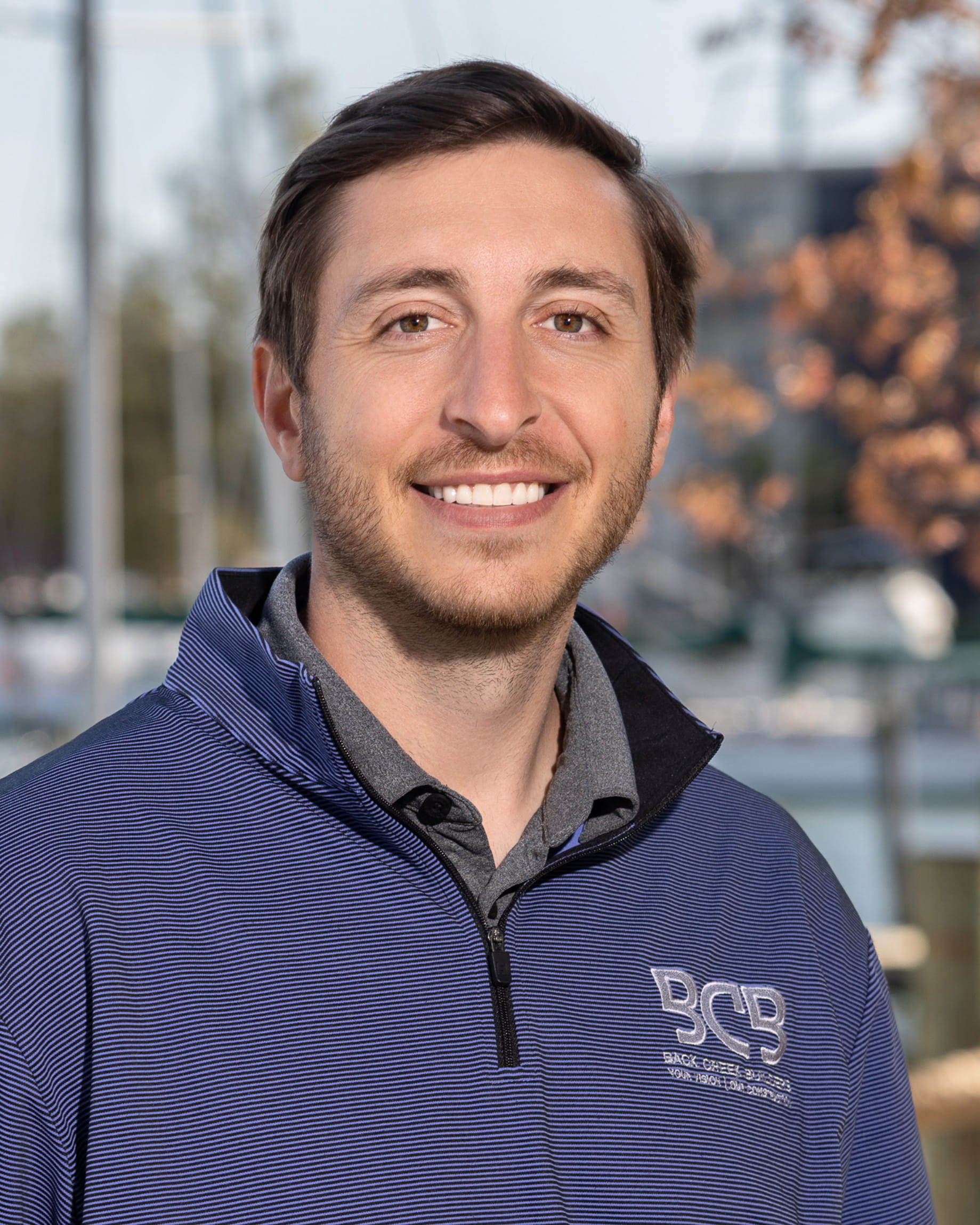
Eric Young
Eric Young co-founded Back Creek Builders and serves as President, overseeing construction planning and project execution across the company's residential and sport court work. His background spans real estate development and hands-on construction management, giving him a perspective on projects from initial land evaluation through final walkthrough.
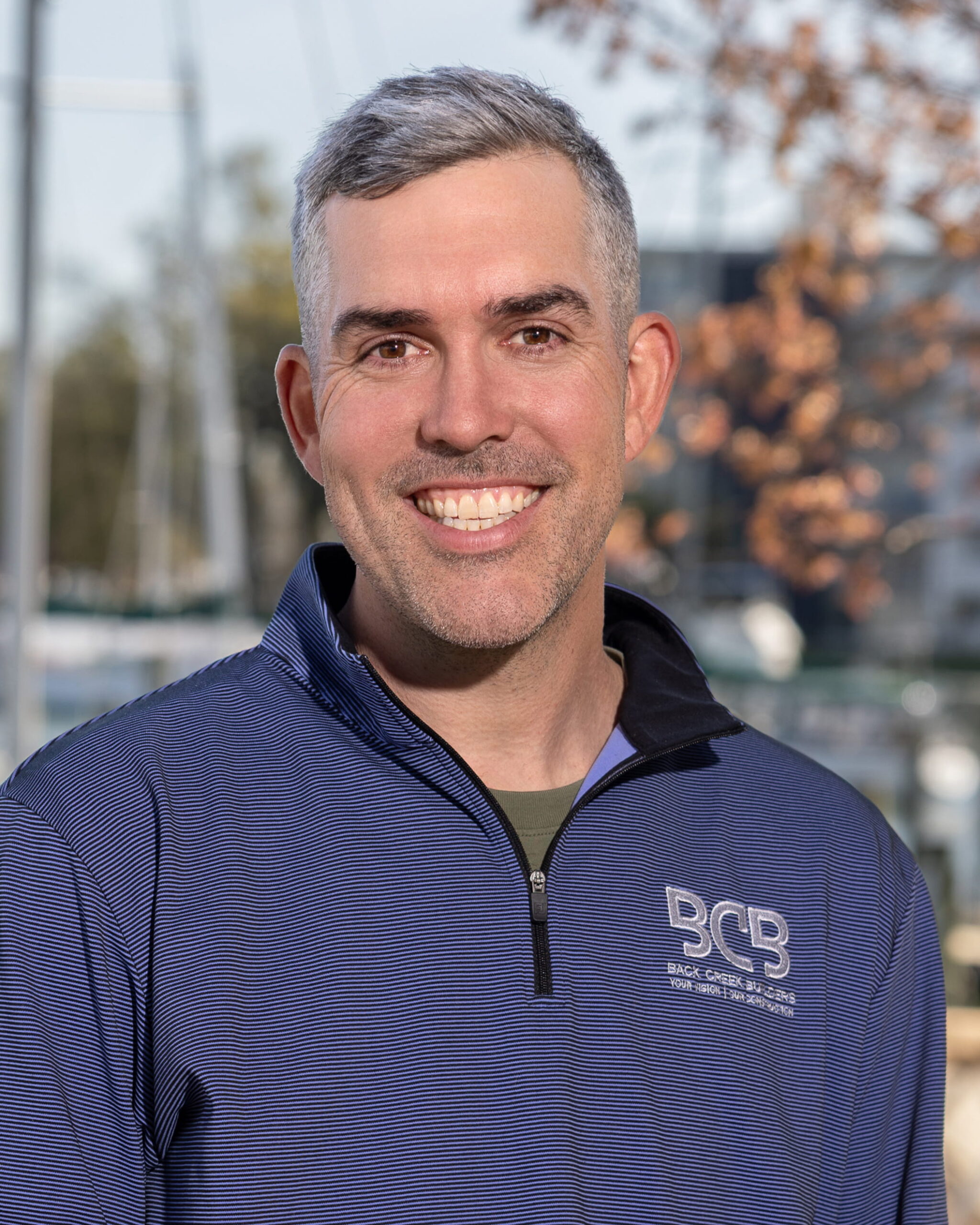
David Stockum
David Stockum is a partner at Back Creek Builders who brings deep experience in residential and commercial restoration, operations, and construction management. He’s known for turning complex projects into well-coordinated builds, standardizing processes, and keeping communication clear so work is delivered on time, on budget, and to a high standard.