Sport Court Resurfacing Annapolis, MD
Courts deteriorate. It happens gradually, hairline cracks appear after a few freeze-thaw cycles, color fades from years of Chesapeake sun, surface texture wears smooth in high-traffic areas. Then one spring you look at the court and realize it’s not the facility it used to be.
Resurfacing addresses these problems without the cost and disruption of complete reconstruction. When the underlying structure remains sound, restoring the playing surface extends a court’s useful life by a decade or more. When structural issues have developed, resurfacing reveals them—better to discover problems during planned maintenance than during a catastrophic failure.
At Back Creek Builders, we resurface tennis courts, pickleball courts, basketball courts, and multi-sport surfaces for homeowners, HOAs, parks departments, schools, and athletic facilities throughout the Annapolis area. Our Annapolis, MD sport court resurfacing work restores both appearance and playability while identifying any underlying issues that need attention. Reach out to discuss the condition of your courts.
Why Choose Back Creek Builders for Sport Court Resurfacing in Annapolis?
We Understand What’s Underneath
Resurfacing isn’t just painting over problems. Before any coating goes down, we assess what’s actually happening with the court structure. Cracks that look cosmetic on the surface sometimes indicate drainage failures or base settlement below. Depressions that collect water suggest subgrade issues. Coating that’s peeling may signal moisture intrusion from beneath.
Some contractors show up, fill cracks, roll on color, and leave. We evaluate the full picture first.
Eric Young and Jason Gelblum founded Back Creek Builders with backgrounds in residential construction—not just surface work. Eric serves as President, bringing real estate development and construction planning experience. Jason operates as Chief Operating Officer with roughly nine years across leadership and project coordination. Baltimore Magazine has featured their work on custom homes and sport courts.
That construction foundation means we recognize when a court needs more than resurfacing. And we have the capability to address structural problems when they exist, rather than coating over issues that will resurface—literally—within a season or two.
Players Who Know How Surfaces Should Perform
Eric and Jason are competitive pickleball players. They’ve played on courts where resurfacing was done poorly—surfaces too slick, texture too aggressive, color choices that create glare, lines painted slightly off specification. These details affect how a court actually plays.
Technical knowledge matters. So does understanding the game from a player’s perspective. We bring both to resurfacing projects, whether the court hosts casual family games or competitive league play.
Experience Across Court Types and Settings
A backyard tennis court owned by a single family presents different considerations than a twelve-court complex at a public park. HOA courts need to satisfy diverse residents. School facilities must meet specific safety standards. Country club courts carry aesthetic expectations beyond what recreational facilities require.
We’ve resurfaced courts across these settings throughout Anne Arundel County. Our portfolio reflects that range. Different contexts require different approaches—and we understand which details matter in each situation.
Coastal Climate Expertise
Annapolis weather creates specific challenges for court surfaces. Humidity accelerates certain coating failures. Salt air affects adhesion differently than inland conditions. The freeze-thaw cycles between November and March stress surface systems repeatedly.
We specify materials rated for Mid-Atlantic coastal conditions. Primers formulated for high-humidity application. Acrylic systems with appropriate flexibility for temperature cycling. These specifications don’t show up in photographs, but they determine whether your resurfacing holds up for eight years or starts failing in three.
What Our Clients Say
⭐⭐⭐⭐⭐
“We hired Back Creek Builders to put in a pickleball court and couldn’t be happier. The entire process was smooth—great communication, quality work, and they clearly knew what they were doing. Court plays great and looks even better.” — Sam Gurman
Read more reviews on our Google Business Profile.
Types of Sport Court Resurfacing Projects We Handle in Annapolis
Resurfacing needs vary by court type, current condition, and intended future use. We handle projects across the full spectrum.
Tennis Court Resurfacing. Full-size tennis courts represent significant investments. Resurfacing restores color, repairs surface damage, and renews playing characteristics—all at a fraction of reconstruction cost. We work on residential courts, club facilities, and public courts throughout the area, often in coordination with broader tennis court construction and maintenance programs.
Pickleball Court Resurfacing. As pickleball participation has surged, existing courts see heavier use than ever. Surfaces wear faster. Lines fade sooner. Resurfacing restores courts to proper playing condition and can update facilities originally built to older specifications.
Basketball Court Resurfacing. Outdoor basketball surfaces endure intense use—running, pivoting, ball impact. Surface texture wears smooth in key areas. Color fades. Lines become difficult to see. Resurfacing restores traction, appearance, and proper court markings.
Multi-Sport Court Resurfacing. Courts striped for multiple sports—tennis and pickleball, basketball and volleyball—require careful line planning during resurfacing. Color differentiation between sport markings needs to be clear without creating visual chaos. We design line layouts that work for all intended uses.
Sport Conversion Projects. Resurfacing often accompanies court conversion. Tennis courts becoming dedicated pickleball facilities. Basketball courts adding pickleball lines. Underutilized tennis courts being reconfigured as multi-court pickleball complexes. We handle both the surface restoration and the conversion planning.
Crack Repair and Structural Remediation. Some courts need more than cosmetic resurfacing. Significant cracking may require routing and filling with flexible repair materials. Depressed areas may need leveling compounds. In cases where base failure has occurred, selective reconstruction of damaged sections may be necessary before resurfacing can proceed.
Color and Line Updates. Courts in reasonable structural condition sometimes just need fresh color and lines. Perhaps the existing surface plays fine but looks faded and worn. Or line markings have become difficult to see. Recoating without full resurfacing can address these issues at lower cost when the underlying surface remains sound.
Texture Restoration. Playing surfaces lose texture over time. Areas beneath baselines and around nets wear smooth from concentrated use. Resurfacing restores appropriate texture for ball response and player traction across the entire court.
Important Aspects of Annapolis Sport Court Resurfacing
Successful resurfacing requires more than quality materials. Preparation, timing, and technique all affect results.
Surface Assessment. Before proposing any work, we evaluate existing conditions. What’s causing the visible deterioration? Are cracks structural or cosmetic? Is the surface failing from above (UV degradation, wear) or below (moisture, base problems)? Assessment determines whether resurfacing alone will solve the problem or whether additional work is needed first.
Crack Treatment. Not all cracks are equal. Hairline surface cracks may need only minor filling. Wider structural cracks require routing to create proper repair profiles, then filling with flexible materials that accommodate movement. Cracks that reappear after previous repairs suggest ongoing structural issues that coating won’t solve.
Surface Preparation. Existing surfaces must be clean and properly prepared before new coatings adhere. Pressure washing removes dirt, debris, algae, and loose material. Some surfaces require additional preparation—grinding high spots, applying bonding primers, treating areas with adhesion problems. Preparation quality determines coating longevity.
Weather Windows. Acrylic court coatings require specific application conditions. Surface and air temperatures within acceptable ranges. No rain during application or cure periods. Adequate humidity levels for proper film formation. The Annapolis climate provides good application windows in spring and fall, but timing still requires planning around weather patterns.
Material Selection. Court coatings vary in quality, durability, and performance characteristics. We use systems from established manufacturers with track records in Mid-Atlantic conditions. Color options, texture levels, and durability grades are matched to each project’s requirements and budget.
Line Specifications. Court lines must meet governing body specifications for competitive play. USTA standards for tennis. USA Pickleball specifications for pickleball. NFHS or NCAA requirements for school facilities. Even recreational courts benefit from proper line placement—it’s what players expect.
Permit Requirements. Most resurfacing projects don’t require permits since they’re maintenance rather than new construction. However, projects involving structural repairs or drainage modifications may trigger Anne Arundel County permit requirements. We advise on permit needs based on project scope.
Cure Time and Court Closure. Resurfaced courts need time before returning to play. Coating systems require cure periods that vary by product and weather conditions. We schedule work to minimize closure duration while ensuring coatings cure properly. Rushing courts back into service causes premature wear and potential coating failure.
Maintenance Planning. Resurfacing is part of a long-term maintenance cycle. We discuss ongoing care requirements and future resurfacing intervals so you can plan and budget accordingly. Properly maintained courts can go eight to twelve years between full resurfacing.
What Are the Steps of the Sport Court Resurfacing Process?
Resurfacing follows a defined sequence. Skipping steps or rushing phases compromises results.
Step 1: Initial Assessment. We inspect the existing court in person. What’s the current surface condition? Where are cracks located and how severe are they? Are there drainage issues, low spots, or structural concerns? This evaluation determines project scope and identifies any work needed beyond standard resurfacing.
Step 2: Scope and Proposal. Based on assessment findings, we develop a detailed proposal covering all required repairs, surface preparation, coating system, colors, line layout, and timeline. You understand exactly what’s included before any work begins.
Step 3: Scheduling. Resurfacing requires favorable weather conditions and adequate cure time. We schedule projects within appropriate weather windows and coordinate timing to minimize court closure duration. Multi-court facilities may be phased to keep some courts available during the project.
Step 4: Surface Preparation. Existing surfaces are pressure washed to remove all dirt, debris, mildew, and loose material. Problem areas are addressed—grinding high spots, treating stains, preparing for crack repair. The court dries completely before repair work begins.
Step 5: Crack and Damage Repair. Cracks are routed if necessary, then filled with appropriate repair materials. Depressions are leveled. Damaged areas are addressed according to their specific conditions. Repair materials cure before coating application.
Step 6: Primer and Base Coats. Appropriate primer is applied where needed for adhesion. Acrylic resurfacer coats go down to fill minor surface irregularities and establish a uniform base. The number of coats depends on existing surface condition.
Step 7: Color Coating. Pigmented acrylic color coats are applied. Multiple coats build appropriate thickness and ensure uniform color coverage. Texture is established during this phase—appropriate for the sport and use intensity.
Step 8: Line Painting. Court lines are measured and laid out according to governing body specifications. Lines are masked and painted with durable line paint. On multi-sport courts, different sports receive contrasting colors for clear differentiation.
Step 9: Cure Period and Final Inspection. Coating systems cure according to manufacturer specifications. We verify coverage uniformity, color consistency, line accuracy, and overall surface quality. Any touch-up work is completed.
Step 10: Court Return to Service. Once fully cured and inspected, courts are ready for play. We review any care recommendations and discuss the timeline for future maintenance. Your restored courts are back in service.
Contact Back Creek Builders
If your tennis court, pickleball court, or basketball court needs restoration—whether a residential court showing its age or a facility serving hundreds of players—we’d welcome the opportunity to assess the situation. Resurfacing extends court life significantly when done correctly. Done poorly, it’s wasted money.
Contact us to schedule an assessment. Back Creek Builders resurfaces sport courts throughout Annapolis and Anne Arundel County with the same attention to detail we bring to new court construction and residential projects.
Meet Our Team
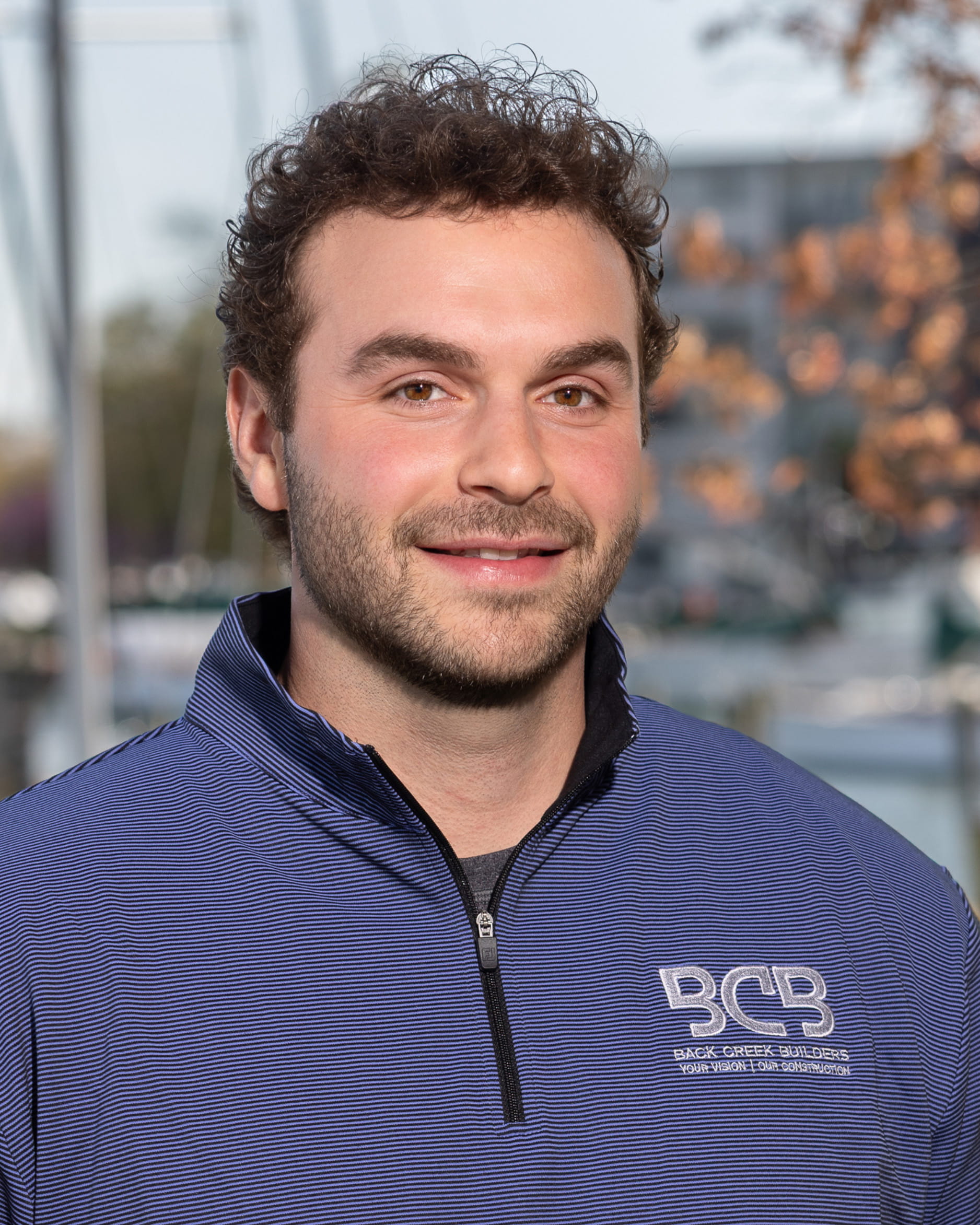
Jason Gelblum
Jason Gelblum co-founded Back Creek Builders and serves as Chief Operating Officer, managing operations, client relationships, and project coordination across the company's portfolio. He brings roughly nine years of professional experience spanning leadership roles, real estate, operations, and construction management.
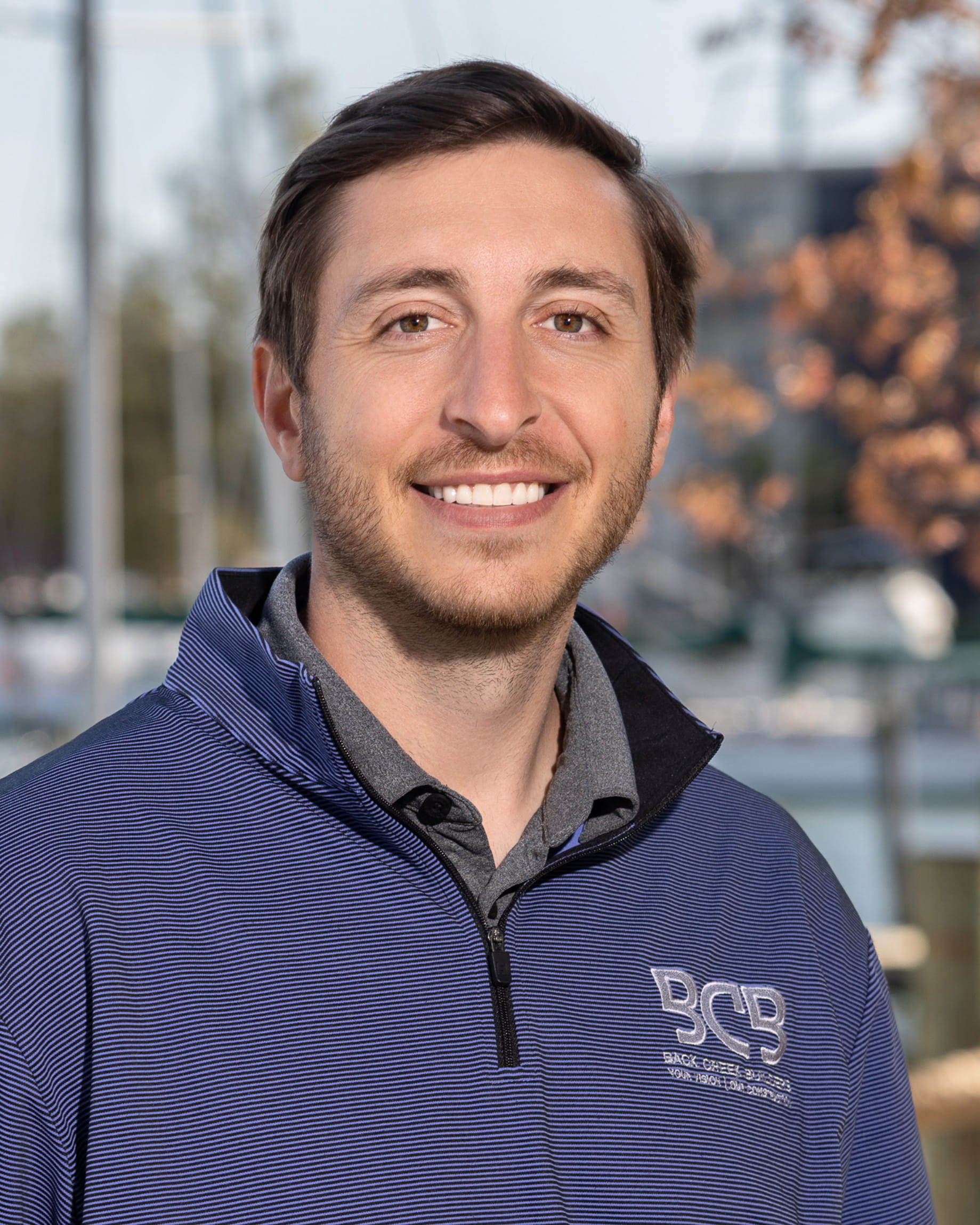
Eric Young
Eric Young co-founded Back Creek Builders and serves as President, overseeing construction planning and project execution across the company's residential and sport court work. His background spans real estate development and hands-on construction management, giving him a perspective on projects from initial land evaluation through final walkthrough.
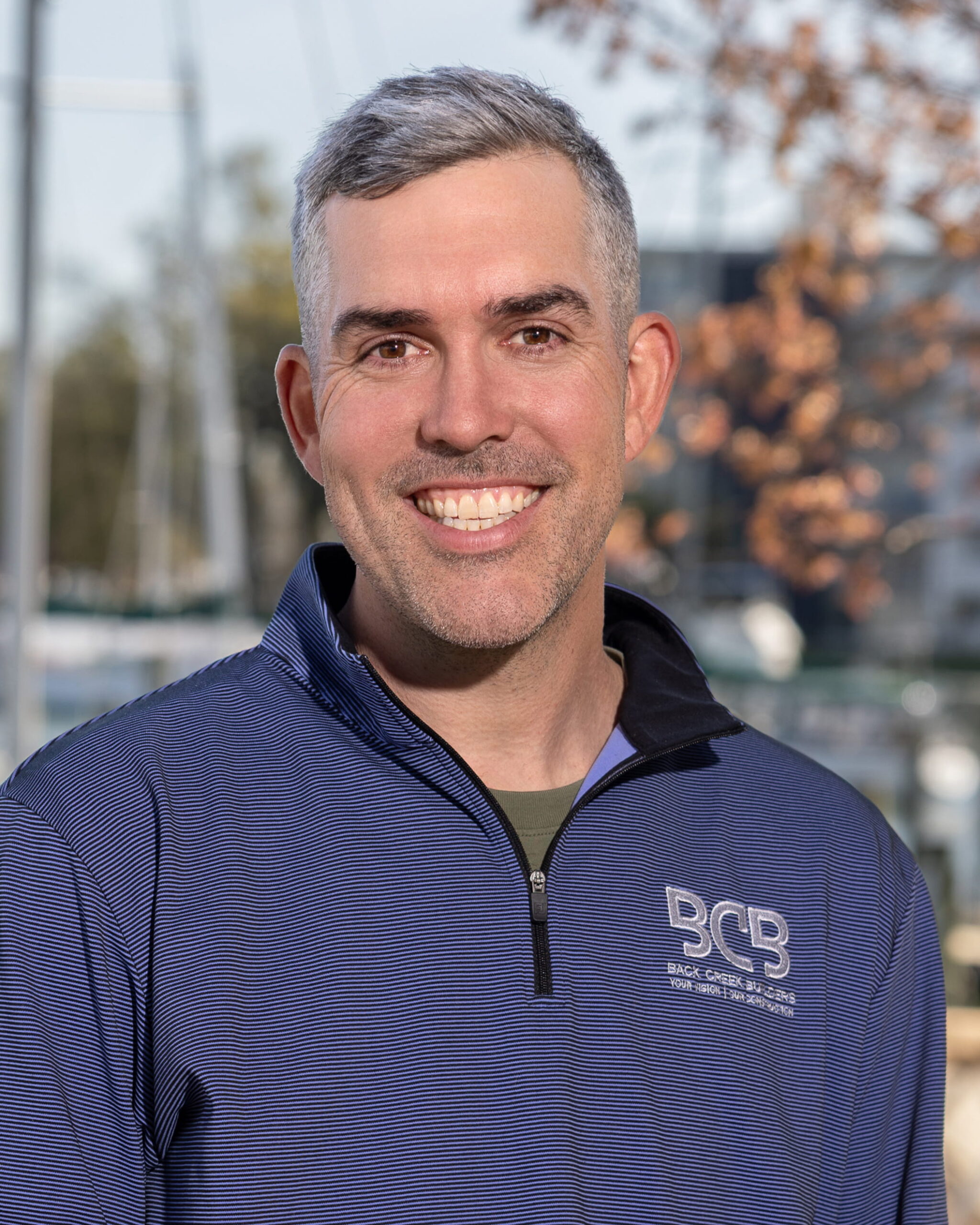
David Stockum
David Stockum is a partner at Back Creek Builders who brings deep experience in residential and commercial restoration, operations, and construction management. He’s known for turning complex projects into well-coordinated builds, standardizing processes, and keeping communication clear so work is delivered on time, on budget, and to a high standard.