Sometimes a home just needs more space. A growing family, aging parents moving in, the need for a dedicated home office—these situations don’t always require buying a new house. A well-designed addition can solve the problem while keeping you in the neighborhood you love.
At Back Creek Builders, we specialize in residential additions that integrate with existing architecture rather than looking like afterthoughts. Home additions built by our team reflect the same craftsmanship standards we bring to ground-up construction. We collaborate closely with homeowners from initial concept through final walkthrough. Reach out to start the conversation about expanding your home.
Why Choose Back Creek Builders for Home Additions?
Experience That Shows in the Details
Eric Young and Jason Gelblum founded Back Creek Builders after meeting on a pickleball court and discovering a shared commitment to residential construction done properly. Eric serves as President, with a background spanning real estate development and construction planning. Jason leads operations as Chief Operating Officer, drawing on approximately nine years of experience in leadership and real estate.
Their work on custom homes and athletic facilities has been featured in Baltimore Magazine. That depth of experience matters when building additions, where how we connect new construction to existing structures determines whether the finished project feels cohesive or cobbled together.
Additions That Look Like They Belong
The difference between a good addition and a poor one often comes down to integration. Rooflines need to align or transition gracefully. Exterior materials should match or complement what’s already there. Interior flow has to make sense—you shouldn’t feel like you’re walking into a separate building.
We’ve completed additions that visitors assume were part of the original construction. Our portfolio includes primary suite expansions, family room additions, second-story builds, and in-law suites. From Annapolis waterfront properties to homes in Baltimore County and the Eastern Shore, each project required careful attention to how the new space would connect architecturally and functionally with the existing home.
Clear Communication From Start to Finish
Adding onto a home while you’re living in it creates unique challenges. Dust, noise, temporary barriers, workers coming and going—all of this requires coordination and clear expectations.
From your initial design consultation through project completion, we maintain direct communication with you. Eric and Jason stay personally involved rather than handing projects off. You’ll know the schedule, understand what’s happening at each phase, and have your questions answered promptly. When changes come up—and they sometimes do—we discuss them before they affect your timeline or budget.
Quality Materials and Reliable Partners
The materials in an addition need to match or exceed what exists in your current home. We work with suppliers we’ve trusted across years of projects: Pella windows and doors, James Hardie siding, 84 Lumber for framing, Sherwin Williams finishes. For interior work, we partner with Kohler and Ferguson Home for fixtures and hardware, and Schluter systems for waterproofing in bathrooms or wet areas.
These aren’t just vendor relationships. Each partner has proven reliable through dozens of completed projects.
What Our Clients Say
⭐⭐⭐⭐⭐
“Back Creek Builders has been a pleasure to work with on multiple projects. They were extremely clear, responsive, and upfront from start to finish, keeping us informed every step of the way. Very professional–highly recommend.” — Jeff Baker
Read more reviews on our Google Business Profile.
Types of Home Additions Projects We Handle
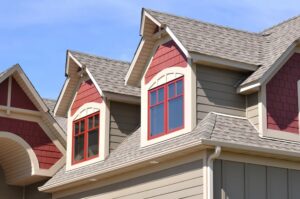 Home additions come in many forms depending on available lot space, zoning constraints, budget, and what you’re trying to accomplish. We handle projects across the full range.
Primary Suite Additions. Older homes often have undersized primary bedrooms and bathrooms that don’t meet modern expectations. A primary suite addition can include an expanded bedroom, walk-in closets, and a spa-style bathroom with double vanities, a soaking tub, or walk-in shower. These additions typically extend off the back or side of the home at ground level.
Second-Story Additions. When lot constraints prevent building outward, building up may be the solution. Second-story additions require careful structural assessment—existing foundations and framing must support the additional load. We evaluate feasibility early in planning and engineer solutions that work within your home’s existing framework.
In-Law Suites and ADUs. Multi-generational living is increasingly common. In-law suites provide separate living quarters with private entrances, kitchenettes, and accessible bathrooms while remaining connected to the main home. Accessory dwelling units offer even more independence. Both require attention to zoning regulations, which vary by county.
Family Room and Great Room Additions. Many older homes lack the open gathering spaces families want today. A family room addition can create space for everyone to be together, often opening onto outdoor living areas like patios or decks. Great room additions with vaulted ceilings and abundant natural light can transform how a home feels.
Kitchen Expansions. Sometimes a kitchen remodel isn’t enough—the footprint itself needs to grow. Kitchen additions often bump out toward the backyard, adding space for larger islands, walk-in pantries, or breakfast nooks. These projects require coordination between structural work, plumbing, electrical, and finish carpentry.
Sunrooms and Four-Season Rooms. These additions provide transitional space between indoors and outdoors. A properly built four-season room with adequate insulation, heating, and cooling can serve as year-round living space rather than just a warm-weather retreat. Variable climates make proper construction essential.
Garage Additions and Conversions. Whether you need covered parking, workshop space, or a combination, garage additions require attention to foundation work, roofline integration, and driveway access. Some homeowners convert existing attached garages into living space while adding a new detached garage—we handle both scenarios.
Bump-Out Additions. Not every addition needs to be a full room. Bump-outs extend an existing space by a few feet—enough to add a breakfast nook to a kitchen, expand a bathroom for a larger shower, or create a window seat in a living room. These smaller additions often avoid some of the structural complexity of full-scale projects while still making a noticeable difference in how a room functions. Bump-outs can be a cost-effective solution when you need a bit more space without undertaking a major expansion.
Important Aspects of Home Additions
Building an addition involves considerations beyond design preferences. Understanding these factors early keeps projects on track and prevents unwelcome surprises.
Zoning and Setback Requirements. Counties each have their own zoning regulations governing how close structures can sit to property lines, lot coverage limits, and height restrictions. Before designing your addition, we review local requirements to confirm what’s feasible on your specific property. Some additions require variances, which add time to the approval process.
Permitting and Inspections. All additions require building permits. Structural work, electrical, plumbing, and HVAC modifications each trigger inspections at various stages. The permit process ensures work meets safety standards established by state building codes. We manage applications and coordinate inspections throughout construction.
Foundation Considerations. New additions need foundations that match the conditions of your lot and connect properly to existing structure. Options include full basements, crawl spaces, or slab-on-grade depending on the addition type and site characteristics. Soil conditions vary significantly across Maryland, from sandy coastal soils on the Eastern Shore to clay-heavy ground in central regions.
Matching Existing Construction. Achieving visual continuity between old and new requires attention to materials, proportions, and details. Siding profiles, window styles, trim details, and roof pitch all factor in. When exact matches aren’t available for older materials, we work to find alternatives that blend convincingly.
Mechanical System Impacts. Your existing HVAC system may or may not have capacity to serve additional square footage. Electrical panels sometimes need upgrades to handle new circuits. Plumbing additions require connection to existing supply and drain lines. We assess mechanical implications during planning so you understand the full scope before construction begins.
Energy Efficiency Standards. New construction, including additions, must meet current energy codes. This actually benefits homeowners—modern insulation, windows, and HVAC equipment often outperform what exists in older homes. We build additions to high-performance standards.
What Are the Steps of the Home Additions Process?
 Every addition project follows a general sequence, though timeline and complexity vary based on scope. Here’s what to expect when working with Back Creek Builders:
Step 1: Initial Consultation. We meet to discuss what you need, review your property, and understand your priorities. This conversation helps establish whether an addition is the right solution and whether we’re the right fit for your project.
Step 2: Feasibility Assessment. We evaluate zoning constraints, lot conditions, existing structure, and preliminary budget considerations. Some ideas work better than others given specific site conditions—we identify limitations early.
Step 3: Design Development. Working with you and, when needed, with architects, we develop plans that meet your functional requirements while integrating with existing architecture. Floor plans, elevations, and material selections take shape during this phase.
Step 4: Detailed Proposal. We prepare a comprehensive estimate covering structural work, mechanical systems, finishes, and project timeline. Allowances are included for selections finalized later.
Step 5: Permitting. Applications go to your local county for review. We respond to any questions from reviewers and obtain necessary approvals before breaking ground.
Step 6: Pre-Construction Coordination. Material orders are finalized, subcontractors scheduled, and logistics planned. If you’re living in the home during construction, we establish how work areas will be separated from living spaces.
Step 7: Foundation and Structural Work. Excavation, foundation construction, and framing establish the bones of your addition. Connections to existing structure happen at this stage. Inspections verify structural integrity before work proceeds.
Step 8: Mechanical Rough-In. Electrical wiring, plumbing lines, and HVAC ductwork are installed before walls close. These systems tie into existing infrastructure or new equipment as needed.
Step 9: Finishing. Insulation, drywall, flooring, trim, paint, cabinetry, fixtures—the addition transforms from framed space to finished room. Your selections for lighting, hardware, and finishes are installed.
Step 10: Final Walkthrough and Completion. We review the finished addition together, address any remaining items, and complete final inspections. Then the space is yours to enjoy.
Contact Back Creek Builders
If you’re considering an addition to your home, we’d welcome the opportunity to discuss your project. The conversation begins with your goals—what space you need, how you want it to function, and how it should connect to your existing home.
Contact us to schedule a consultation. Whether you need a primary suite expansion, in-law suite, second story, or family room addition, Back Creek Builders has the experience to expand your home thoughtfully and build space your family will use for years to come.
Meet Our Team

Jason Gelblum
Jason Gelblum co-founded Back Creek Builders and serves as Chief Operating Officer, managing operations, client relationships, and project coordination across the company's portfolio. He brings roughly nine years of professional experience spanning leadership roles, real estate, operations, and construction management.

Eric Young
Eric Young co-founded Back Creek Builders and serves as President, overseeing construction planning and project execution across the company's residential and sport court work. His background spans real estate development and hands-on construction management, giving him a perspective on projects from initial land evaluation through final walkthrough.

David Stockum
David Stockum is a partner at Back Creek Builders who brings deep experience in residential and commercial restoration, operations, and construction management. He’s known for turning complex projects into well-coordinated builds, standardizing processes, and keeping communication clear so work is delivered on time, on budget, and to a high standard.